A May Reality Check for Russia's Much-Touted Arsenal
In May 2026, according to confirmed reports from the General Staff, the Unmanned Systems Forces, the Special Operations Forces, and the Security Service of Ukraine (SBU), Ukraine’s Defense Forces struck at least three dozen high-value components of Russia’s air defense and radar network. The list also included several warships and boats, aritime patrol aircraft, Iskander operational-tactical missile systems, communications hubs, drone command centers, and other costly specimens from the showcase collection of Russia’s defense-industrial complex.
The geography of the strikes was no less remarkable. In addition to the usual locations featured in such reviews—Crimea and the Donetsk, Luhansk, and Zaporizhzhia regions—Ukrainian strike assets regularly visited Russia’s Bryansk and Rostov regions, Krasnodar Krai, and even the waters of the Baltic and Caspian seas.
And while Russian propaganda was still talking about an “impregnable rear” just two years ago, today even warships in distant Kaspiysk, Dagestan—more than 1,500 kilometers from Ukraine—are becoming acquainted with Ukrainian drones at a range far closer than they would prefer.
This Ukrinform review takes a look at the grand May barbecue that Ukrainian defenders served up for some of the most heavily promoted products of Russia’s defense industry.
EARLY LOSSES
The beginning of May left Russia’s air defense forces with little reason for optimism about their chances of avoiding getting burned on the job.
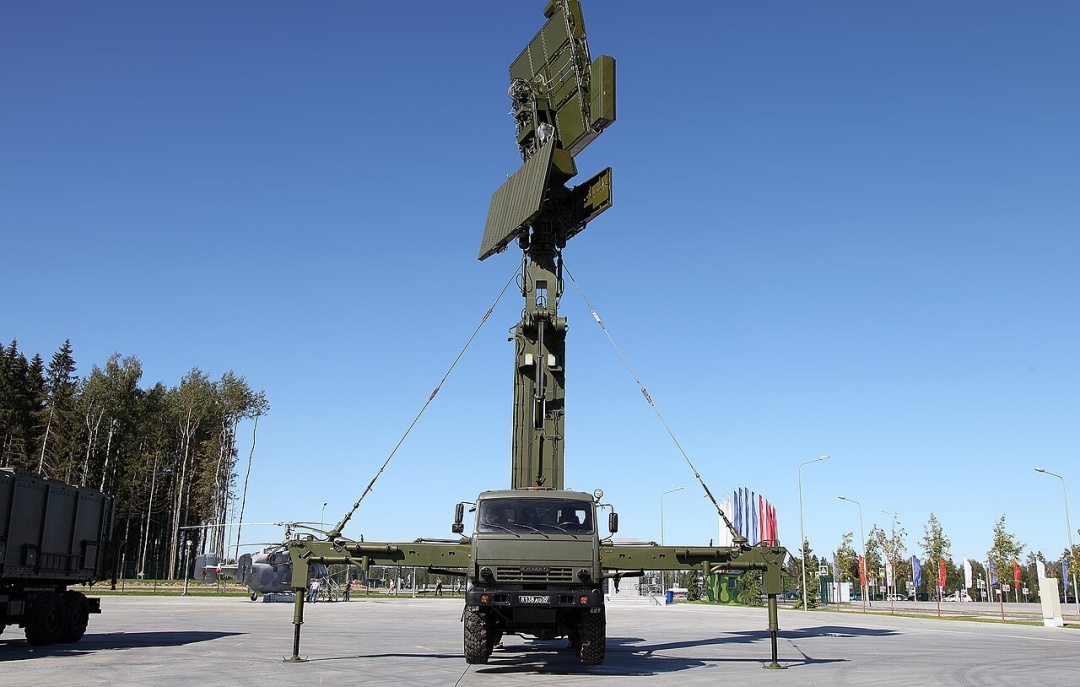
48Ya6-K1 Podlyot Mobile Three-Coordinate Radar
On the night of May 2, Ukraine’s Defense Forces simultaneously struck an Iskander tactical missile group near Druzhne in occupied Crimea and two key radar installations: a Mys-M1 coastal surveillance radar near Mayak and a Podlyot radar near Yevpatoria.
The 48Ya6-K1 Podlyot is a mobile three-coordinate radar equipped with a phased-array antenna that provides 360-degree coverage. Its primary role is to detect low- and very-low-altitude aerial targets and provide targeting data to S-300, S-400, and similar surface-to-air missile systems.
In other words, the Podlyot—tasked with tracking Ukrainian cruise missiles and drones—should, in theory, have been able to detect the very weapons that were coming for it.
Instead, at the decisive moment, the radar proved surprisingly short-sighted for a system often touted as having “no analogs.” The price of that lapse in vigilance was steep: one less Podlyot radar, valued at roughly $5 million.
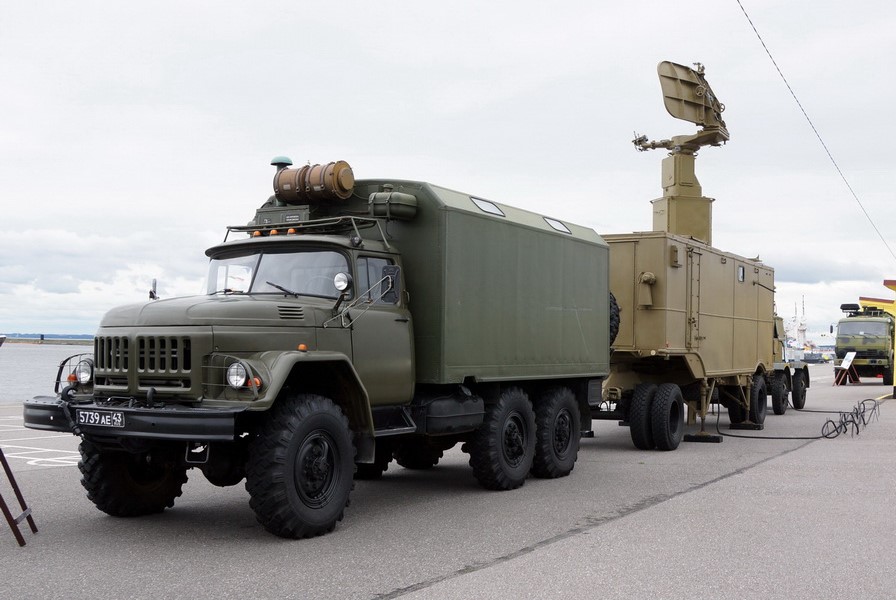
MR-10M1 Mys-M1 Coastal Radar
A similar fate befell the MR-10M1 Mys-M1 coastal radar. Designed to track maritime and low-altitude targets and provide targeting data for the Bal and Bastion coastal missile systems, it represents both a valuable and expensive component of Russia’s coastal defense network.
Because the system is mobile and highly specialized, experts estimate the value of a single Mys-M1 radar station at roughly $20 million.
Yet despite its impressive price tag, this key element of Russia’s Black Sea surveillance architecture ultimately failed to serve its intended purpose.
The following day, operators of Ukraine’s Unmanned Systems Forces added a Pantsir-S1, a Tor air-defense system, and no fewer than two P-18 radar stations to their tally of confirmed strikes in the Donetsk, Luhansk, and Zaporizhzhia regions.
The P-18 radars deserve special attention. Although the original system was developed in the 1970s, Russian forces continue to field extensively modernized variants, including the P-18-2 Prima. The estimated value of one such upgraded radar is approximately $1–2 million.
Despite their age, P-18 radars remain among the few systems capable of operating in the VHF band, making them useful for detecting low-observable aerial targets. As a result, they continue to play an important role in Russia’s air-surveillance network, providing early warning and target-acquisition data for air-defense units.
That makes their loss more than a matter of accounting. Even decades after entering service, these radars remain operationally relevant—and their destruction carries both tactical and financial costs.
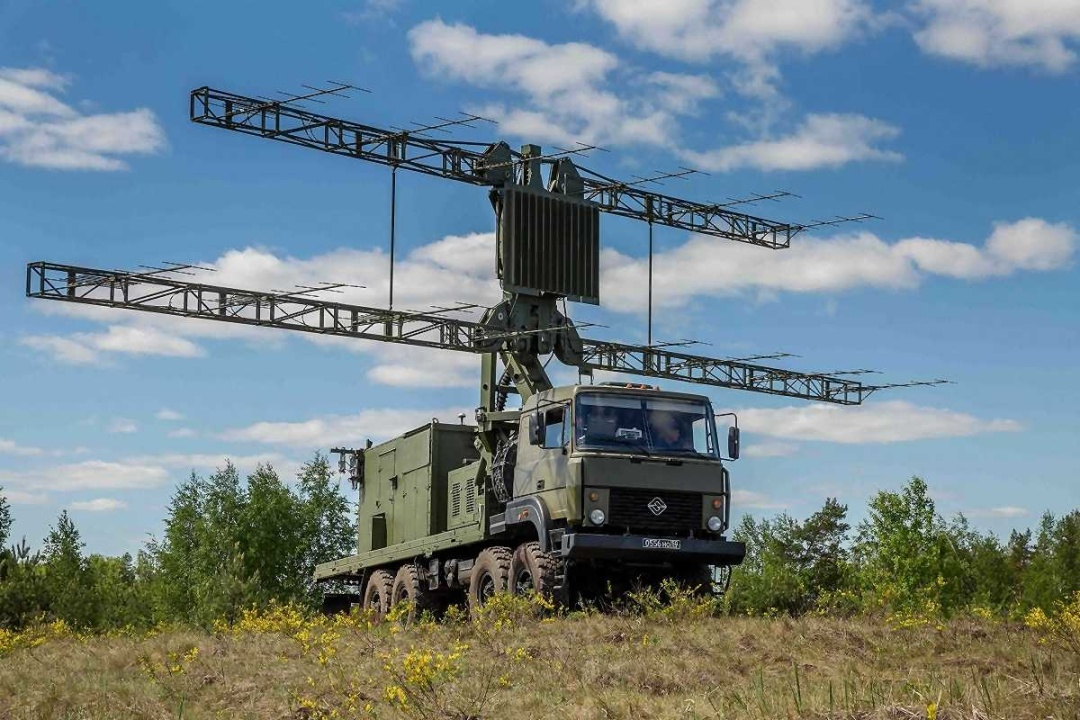
P-18-2 Prima High-Mobility Two-Coordinate Radar
Despite their respectable age, P-18 radars remain among the few systems capable of operating in the VHF band and detecting low-observable targets. For that reason, Russia continues to keep them in service—especially as each month of the war leaves it with fewer modern radar systems.
Still, hardware that managed to outlive Leonid Brezhnev does not necessarily outlive Ukrainian drones.
THE TORS ARE AT IT AGAIN
The undisputed champion among destroyed Russian air-defense systems in April was the Tor family of surface-to-air missile systems. In May, however, its representatives showed no inclination to surrender their title as the month's worst performers.
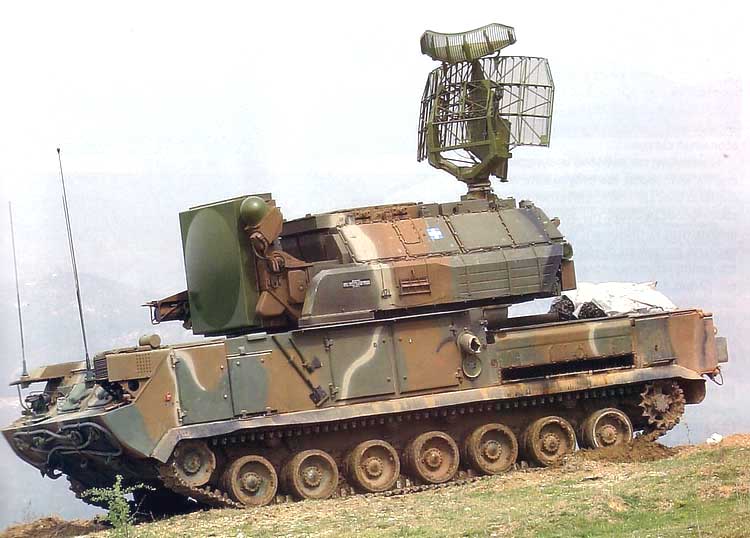
9K331 Tor-M1 Surface-to-Air Missile System
Throughout the first half of May, Tor systems were destroyed in Markivka, Mykhailivka, Brusivka, Honcharove, Zakhidne, Staryi Oskol, and several other locations.
By the end of the month, the number of confirmed Tor systems and components struck had reached nine. That accounted for nearly one-third of all enemy air-defense assets destroyed or damaged during the month.
For comparison, April's tally was only one Tor higher.
The reason for such consistency is fairly straightforward. Today, the Tor serves as the workhorse of Russia's short-range air-defense network. These systems are tasked with protecting occupying forces from Ukrainian drones, HIMARS strikes, aircraft, and cruise missiles.
As a result, the more extensively Russia deploys them to shield its forces and rear areas, key positions and rear-area infrastructure, the more frequently they find themselves in the crosshairs of Ukrainian drone operators.
At an estimated $25–30 million per system, May's collection of destroyed Tor complexes alone represents losses approaching a quarter of a billion dollars. And that figure does not include the cost of missiles, spare parts, or the crews who learned firsthand that even a system named after the Norse god of thunder cannot always protect itself from Ukrainian drones.
HUNTING THE FOX
Yet May's safari for high-value targets was not limited to Tor systems.
The month proved just as painful for the "eyes" of Russia's air-defense network—its radar stations.
While Ukrainian defenders opened the month by sending the Podlyot and Mys-M1 radars to the scrap heap, the list of subsequent targets soon began to resemble a catalog of Russian radar technology.
On May 5, operators of the Unmanned Systems Forces reported the destruction of a Kasta radar in the occupied part of Zaporizhzhia Region. Three days later, the General Staff confirmed a strike on another Kasta-2E2 radar near Mysove in Crimea.
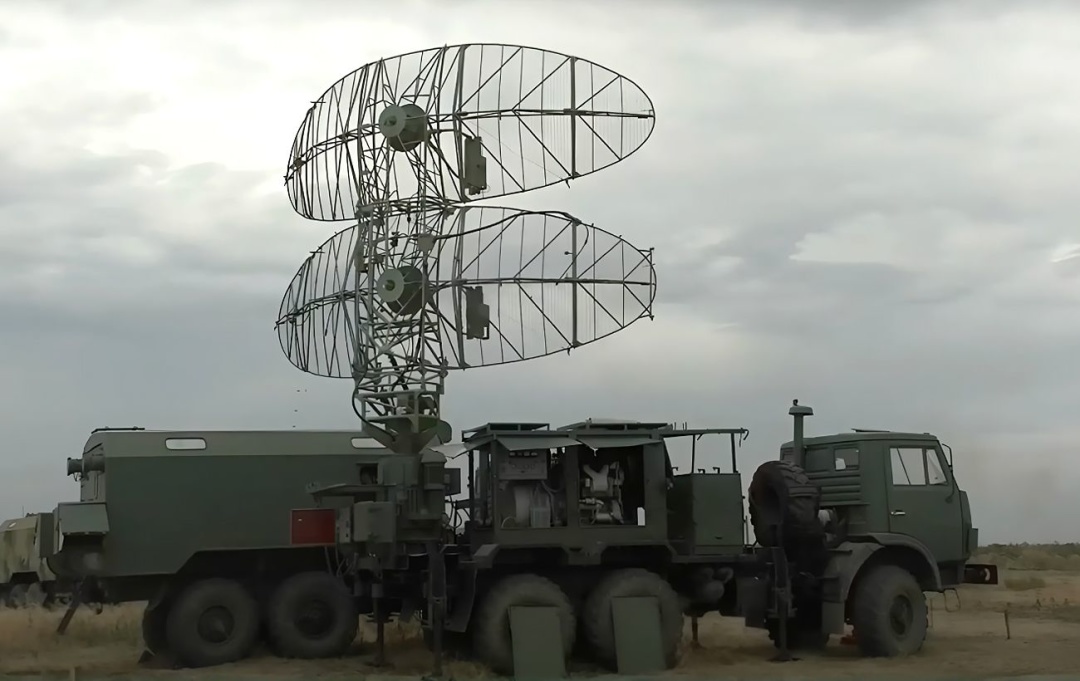
39N6 Kasta-2E2 Radar
For Russia's air-defense network, this was far from a minor setback.
The Kasta-2E2 is specifically designed to detect low-altitude targets—the very drones and cruise missiles that have been appearing with increasing frequency deep inside Russia's rear areas. In other words, it is precisely the type of radar that is supposed to warn Russian forces about the threats now reaching them.
Open-source estimates place the value of a 39N6 Kasta-2E2 radar complex at up to $60 million, depending on its configuration.
In short, it was a prize trophy for Ukrainian hunters.
The real "ride," however, began after the so-called Victory Day ceasefire, when Ukrainian crews noticeably intensified their radar-hunting campaign.
On May 12 alone, two radar stations came under attack: a PRV-16 Nadezhnost ("Reliability") height-finder radar near Huselske and, likely, another P-18 radar near Zelenyi Yar in Donetsk Region.
The irony was difficult to overlook. A system named Nadezhnost ultimately proved insufficiently reliable to avoid becoming a target itself.
Like many Soviet-era radar systems still in Russian service, the PRV-16 remains an important part of the air-surveillance network, supplying altitude data that complements information gathered by other radar assets. Its loss further complicates the task of tracking and engaging aerial threats.
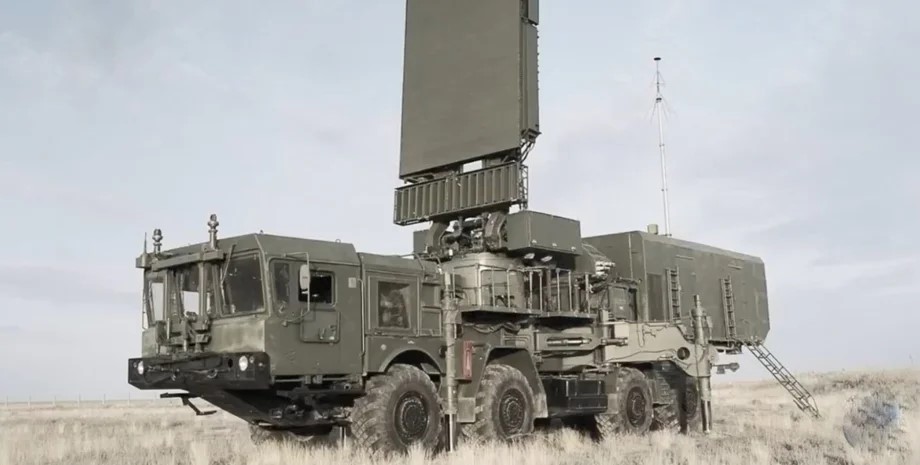
1K148 Yastreb-AV Counter-Battery Radar
Two days later, the list grew longer with the addition of a 1K148 Yastreb-AV counter-battery radar in Russia's Belgorod Region.
Valued at approximately $50 million, the system belongs to a new generation of Russian artillery-locating radars. It was designed to detect and locate Ukrainian artillery positions and multiple-launch rocket systems, enabling rapid counter-battery fire.
As events demonstrated, however, it proved considerably better at finding artillery than at ensuring its own survival.
On May 18, the General Staff reported the destruction of an air-search radar station near Lesnoye in Russia's Bryansk Region.
Three days later, on May 21, operators of the Unmanned Systems Forces added a radar station belonging to an S-300V air-defense system near Shyroka Balka to their growing tally of successful strikes.
On May 24, the destruction of a 1L125 Niobiy-SV radar in Luhansk Region was confirmed.
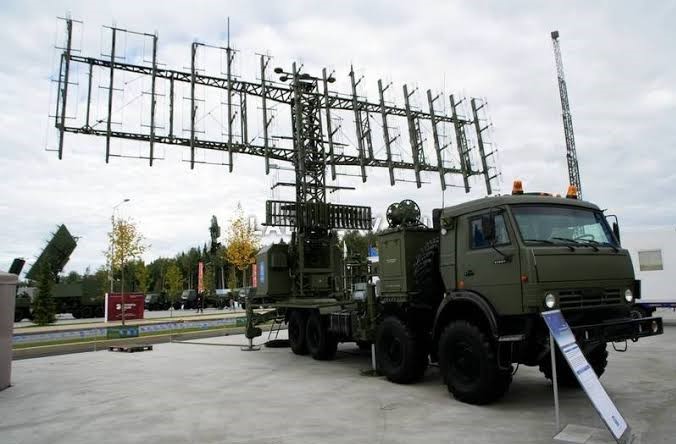
1L125 Niobiy-SV Mobile Three-Coordinate Radar
The Niobiy-SV is among Russia's newest generation of mobile three-coordinate radar stations, designed for medium- and long-range air surveillance.
The system is capable of simultaneously tracking up to 300 aerial targets at distances of up to 500 kilometers while providing target-designation data for S-300V and Buk-M2 air-defense systems.
As one of the key sensors in Russia's integrated air-defense architecture, the Niobiy-SV extends detection range, enhances target tracking, and contributes to the overall situational awareness of air-defense units. Its loss therefore represents more than the destruction of a single radar station—it degrades the broader command-and-control network that relies on such sensors to maintain an accurate picture of the airspace.
The value of the destroyed 1L125 Niobiy-SV is estimated at no less than $6.5 million. That figure is based on Russian procurement documents from 2018, which listed the cost of a complete system at approximately 394.8 million rubles.
The following day, Ukrainian drones located an even more valuable target: a 9S19 Imbir radar belonging to an S-300V air-defense system.
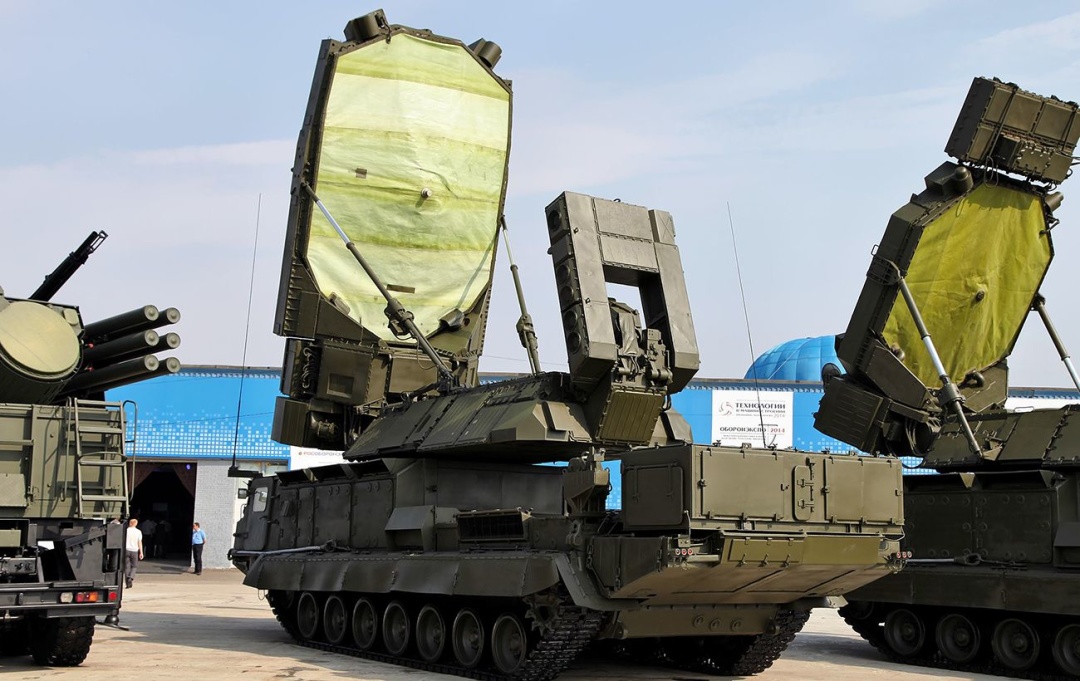
9S19 Imbir Radar of the S-300V Air-Defense System
The 9S19 Imbir is responsible for detecting ballistic targets and serves as one of the key components of the S-300V's missile-defense capability.
Unlike conventional surveillance radars, the Imbir was specifically designed to track high-speed ballistic threats and provide the targeting data required to intercept them. As a result, it occupies a particularly important place within the S-300V architecture, functioning as a critical sensor for both air-defense and anti-missile operations.
Its destruction therefore represents more than the loss of another radar station. It weakens one of the most sophisticated elements of the system's defensive network, reducing its ability to detect and engage ballistic threats while further eroding the effectiveness of Russia's layered air-defense architecture.
The 9S19 Imbir is valued at no less than several tens of millions of dollars. According to open-source estimates, only about 200 units were produced during the entire production run. After years of war and sustained attrition, the number still in operational service is likely significantly lower.
As one of the most specialized components of the S-300V family, the Imbir plays a unique role in Russia's air-defense network. Unlike general-purpose surveillance radars, it is optimized for detecting and tracking ballistic targets—precisely the type of threat for which reaction time is measured in seconds rather than minutes.
Consequently, the loss of even a single Imbir radar represents a meaningful blow to the anti-ballistic capabilities of the affected air-defense formation.
By the end of the month, the radar hunt had expanded even further, reaching Nebo-SV and ST-68 radar stations.
Both systems occupy important niches within Russia's air-surveillance architecture. The Nebo-SV family is designed for long-range airspace monitoring and target detection, while the ST-68 is a three-coordinate radar optimized for tracking low- and medium-altitude aerial targets.
Their appearance on the growing list of destroyed and damaged systems highlighted a broader trend throughout May: Ukrainian strikes were targeting not only launchers and missile batteries, but also the sensors that enable Russia's air-defense network to detect, track, and engage threats in the first place.
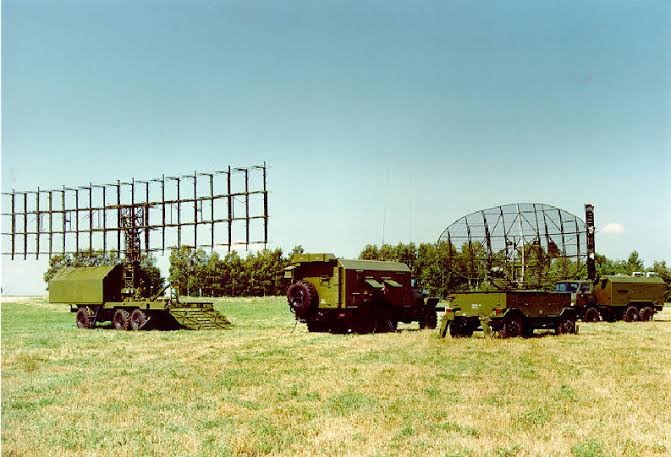
1L13 Nebo-SV Mobile Two-Coordinate Early-Warning Radar
The first of the two was struck near Kamianka in Luhansk Region.
The 1L13 Nebo-SV belongs to a family of long-range military radars developed for the air defense of ground forces. Its primary mission is to detect aerial targets, identify them as friend or foe, and relay their coordinates to command posts.
That particular bonfire cost the occupiers an estimated $18 million.
As for the ST-68, which Ukrainian defenders reached near Feodosia, its purpose was much the same: to provide early warning of approaching aerial threats.
It didn't.
The irony is difficult to miss. Both the Nebo-SV and the ST-68 were designed to provide early warning and situational awareness—the very functions they ultimately failed to perform when confronted with Ukrainian strike assets.
Their destruction further illustrates a recurring theme of May's campaign: systems intended to serve as the eyes and ears of Russia's air-defense network increasingly found themselves unable to detect the threats heading directly toward them.
For Ukraine, each radar eliminated represents more than the destruction of an expensive piece of equipment. Every loss creates another blind spot in the enemy's air-defense architecture, making it more difficult to detect incoming drones, cruise missiles, and aircraft while increasing the vulnerability of the military facilities those radars were meant to protect.
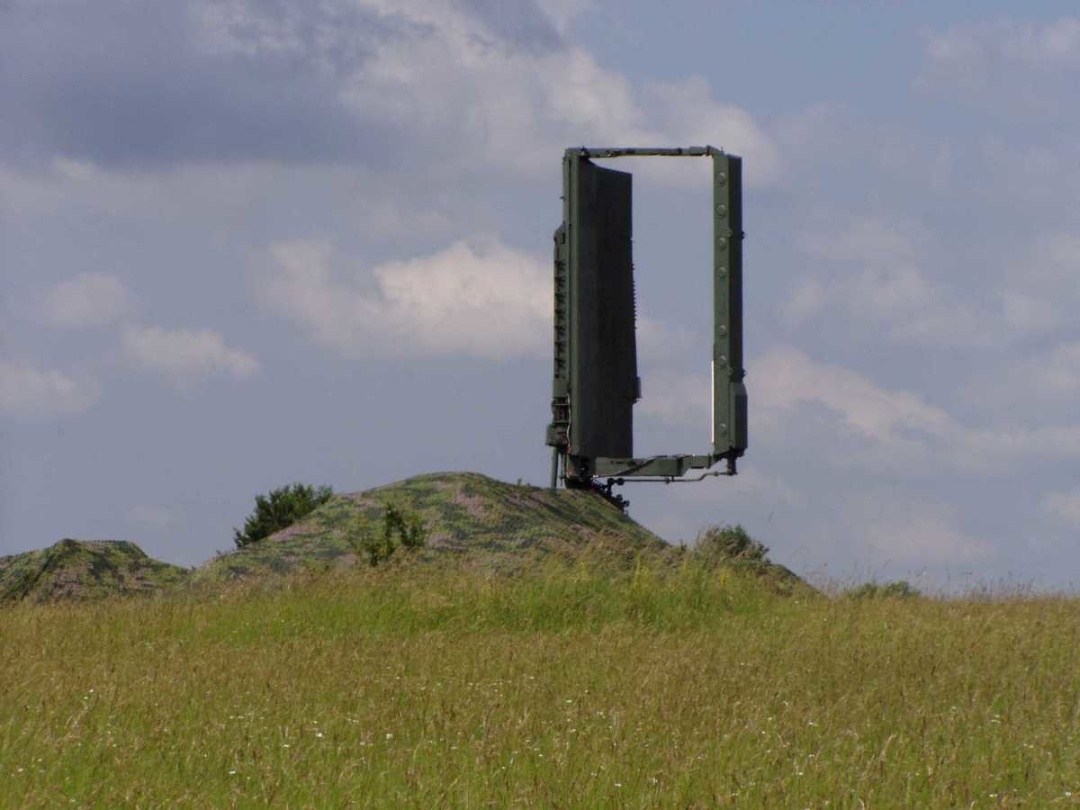
ST-68 Radar
Incidentally, the ST-68 is the direct Soviet predecessor of the Podlyot radar discussed earlier in this review.
The ST-68U (military designation 19Zh6) was developed as a three-coordinate radar designed to detect difficult low-altitude targets, including American ALCM cruise missiles, drones, and aircraft. Its primary mission was to provide precise target-designation data for surface-to-air missile systems such as the S-300.
In total, more than a dozen enemy radar systems of various types were confirmed destroyed or damaged during May.
That means that with every radar knocked out, Russia's air-defense network became not only weaker, but also increasingly blind.
OTHER UNDERPERFORMERS OF THE MONTH
Although the Tor family emerged as the star performer of May's air-defense losses, other Russian surface-to-air missile systems also featured prominently in Ukrainian combat reports.
The broader pattern is worth noting. Individual launchers and missile batteries can often be replaced, repaired, or redeployed. Surveillance and fire-control radars, however, are far more difficult to replace. Modern air-defense systems rely on a network of sensors to detect, identify, track, and engage targets. As that network shrinks, even surviving launchers become less effective because they are deprived of the information needed to respond efficiently.
For that reason, May was significant not only for the number of air-defense assets struck, but also for the concentration of attacks against the radar infrastructure underpinning Russia's layered air-defense architecture.
The cumulative effect extends beyond the destruction of individual systems. It gradually erodes the enemy's ability to monitor, coordinate, and control its airspace.
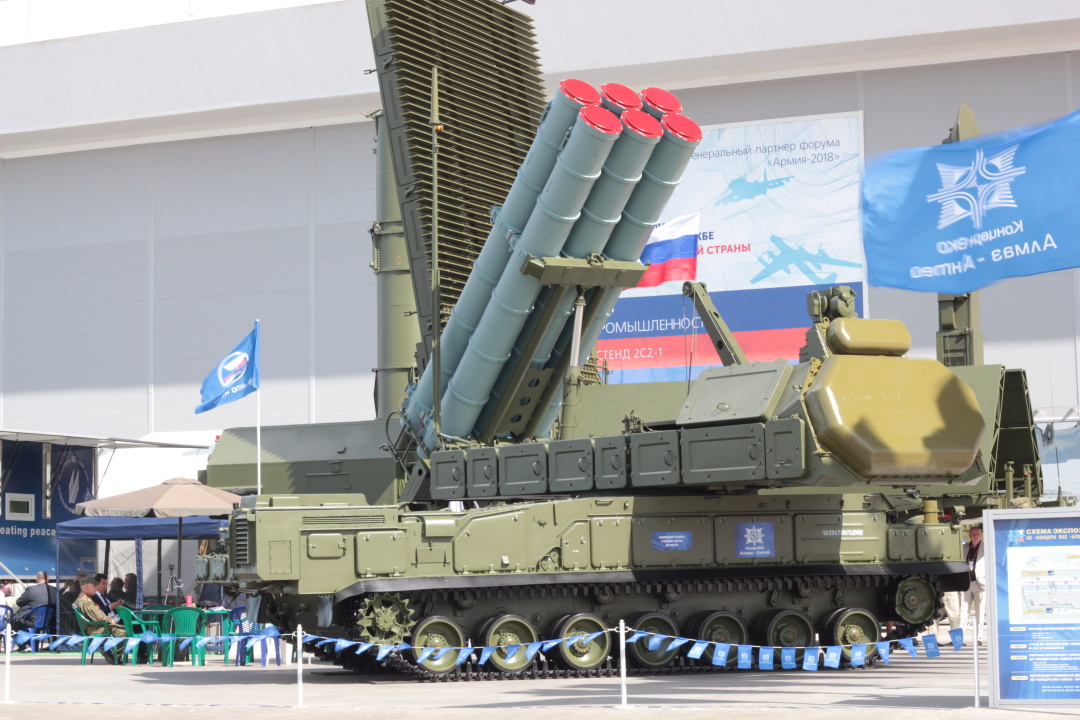
The Pride of Russia's Defense Industry: The Buk-M3 Surface-to-Air Missile System
On May 7, operators of Ukraine's "good drones" sent two Buk-M3 systems and a Strela-10 air-defense system to the scrapyard.
The Buk-M3 is one of the most advanced medium-range air-defense systems in Russian service. The value of a complete battery is measured in hundreds of millions of dollars, while each self-propelled launcher alone is worth tens of millions.
These systems are specifically intended to protect Russian troop concentrations from aircraft, cruise missiles, and precision-guided weapons.
Yet Ukrainian drones are increasingly finding them before they can find Ukrainian targets.
On May 8, a Tunguska gun-missile air-defense system was added to the loss list of the so-called "world's second army." A week later, on May 15, another Pantsir-S1 was struck in Crimea.
Particularly noteworthy was the SBU strike on Belbek Air Base on May 17. Among the targets hit were a modern Pantsir-S2 system, a hangar housing radar equipment associated with an S-400 air-defense complex, and several facilities used for drone command and control.
The significance of the attack extended well beyond the destruction of individual pieces of equipment. The Pantsir-S2 is among Russia's newest short-range air-defense systems, specifically designed to protect high-value military assets from drones, aircraft, and precision-guided munitions. Meanwhile, radar assets associated with the S-400 form part of one of Russia's most advanced integrated air-defense networks.
Strikes against such targets inflict not only material losses but also disrupt the layered defensive architecture upon which Russian forces rely to protect critical military infrastructure.
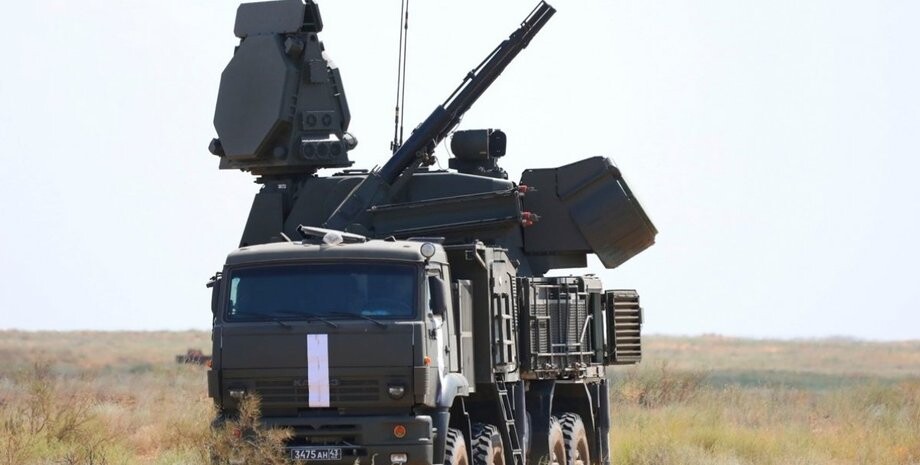
Pantsir-S2 Gun-Missile Air-Defense System
It is worth noting that the Pantsir-S2 is a comprehensive upgrade of the baseline Pantsir-S1 short-range self-propelled gun-missile air-defense system.
Its primary mission is to protect military and civilian facilities—including airfields, fuel depots, and major air-defense systems such as the S-400—from aerial attack.
The most significant improvement introduced in the S2 variant is an entirely new target-acquisition radar featuring a redesigned dual-sided antenna array, enabling the system to detect small targets more effectively. Detection range has also been increased, with the upgraded version capable of spotting aerial threats at distances exceeding 40 kilometers, compared with approximately 36 kilometers for the original Pantsir-S1.
In addition, the modernized system can simultaneously track more than 40 airborne targets. Its armament consists of 12 surface-to-air missiles, capable of engaging targets at ranges of up to 20 kilometers and altitudes of up to 15 kilometers, as well as two twin-barrel 30-mm automatic cannons.
According to the designers of this much-promoted "wonder weapon," the guns can fire up to 5,000 rounds per minute and destroy anything that ventures within 4 kilometers of the system.
As it turned out, not quite everything.
The wreckage left smoldering near Belbek carried an estimated value of $12–15 million, based on prices from Russia's domestic defense procurement system.
By the end of the month, Ukrainian forces continued their methodical reduction of Russia's air-defense inventory.
On May 22, an Osa surface-to-air missile system was destroyed in Donetsk.
Three days later, on May 25, a launcher belonging to an S-300 air-defense system came under attack.
These incidents reinforced a trend that had become increasingly apparent throughout May: Ukrainian strikes were targeting every layer of Russia's air-defense architecture—from short-range systems such as the Osa, Tunguska, and Pantsir, to medium-range Buk complexes, and even components of the strategic S-300 and S-400 networks.
Combined with the parallel campaign against radar assets, this represented a sustained effort not merely to destroy individual systems, but to degrade the effectiveness of Russia's integrated air-defense architecture as a whole.
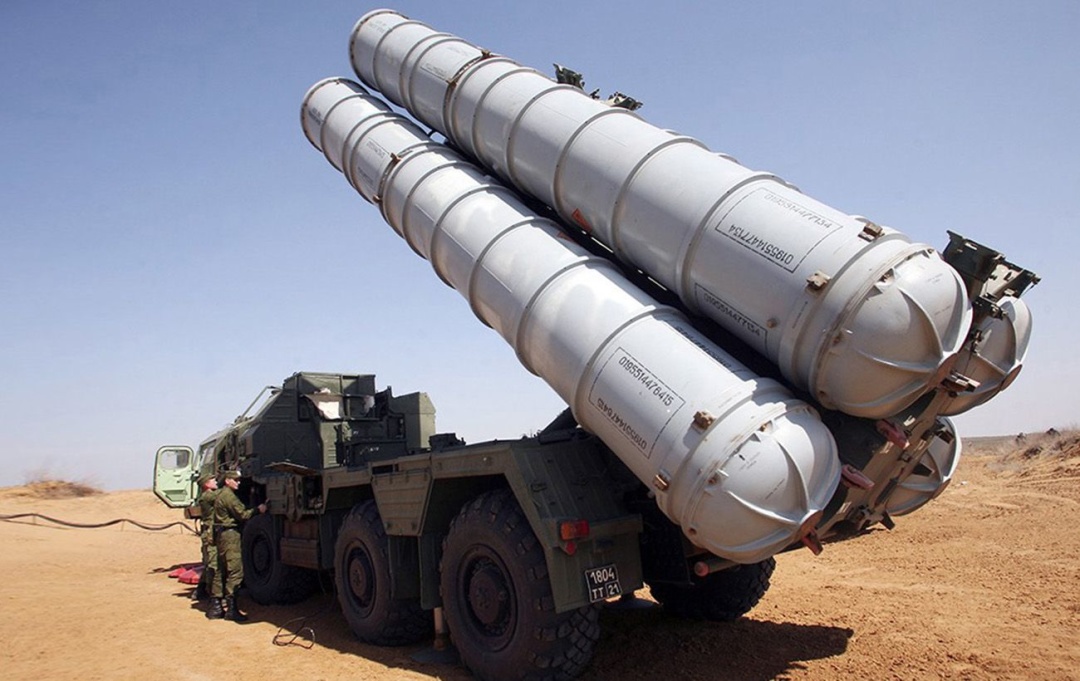
S-300 Surface-to-Air Missile Launcher
On May 27, Ukrainian operators struck a Buk-M2 command-and-control vehicle as well as a transporter vehicle belonging to the newest S-350 Vityaz air-defense system.
Both targets are noteworthy. While command vehicles and transporters attract less public attention than missile launchers, they remain essential components of modern air-defense systems. Without them, even the most advanced launchers struggle to operate effectively, coordinate engagements, and maintain sustained combat operations.
Their destruction further underscored a defining characteristic of May's campaign: Ukrainian strikes increasingly focused not only on the visible "shooters" of Russia's air-defense network, but also on the supporting infrastructure that keeps those systems functioning.
Then, on May 29–30, several more Pantsir and Tor systems were added to the tally, reinforcing the month's central conclusion: Russia's air-defense network is increasingly functioning not as a protective shield, but as a target list for Ukrainian operators.
GREETINGS FROM THE BALTIC, CASPIAN!
The naval portion of May's barbecue menu merits particular attention.
During the night of May 3, a Project 22800 Karakurt-class small missile ship came under attack in the port of Primorsk in Russia's Leningrad Region.
The strike was noteworthy not only because of the target itself, but also because of its location. Primorsk lies on the Baltic Sea, far from the main theater of combat, highlighting the steadily expanding reach of Ukraine's long-range strike capabilities.
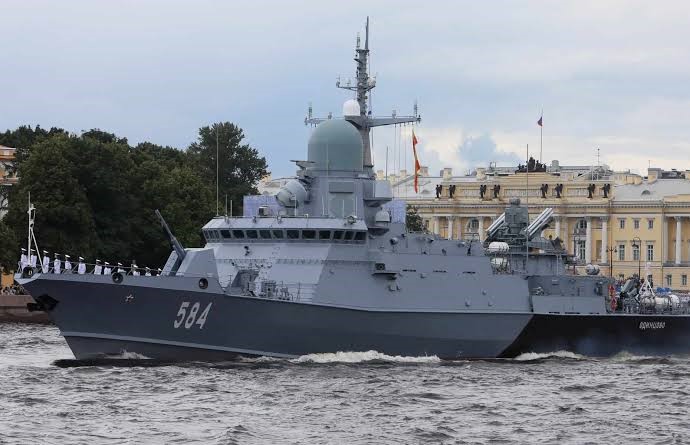
Karakurt-Class Small Missile Ship
The Karakurt is one of the flagship projects of Russia's modern naval construction program. Conceived as a relatively inexpensive alternative to larger surface combatants, these vessels combine compact size with substantial firepower.
Each ship is capable of carrying up to eight Kalibr cruise missiles, allowing it to conduct long-range precision strikes against both land and maritime targets. Although considerably smaller than frigates or destroyers, Karakurt-class vessels remain valuable assets because of their strike capability, mobility, and comparatively low operating costs.
The attack demonstrated that even naval assets operating deep inside what was once considered a secure rear area are no longer beyond the reach of Ukrainian forces.
More broadly, it underscored a trend that became increasingly evident throughout May: the battlefield is no longer confined to the front line. Ukrainian strikes are reaching military infrastructure and high-value assets across a geographic area far larger than Russian planners once considered vulnerable.
Valued at up to $20 million, the Karakurt-class is considered one of the cornerstone projects of Russia's modern navy. The Kremlin views these vessels as a relatively inexpensive alternative to larger surface combatants, capable of launching up to eight Kalibr cruise missiles against targets at ranges of up to 2,000 kilometers.
For self-defense, the ship is equipped with the Pantsir-M naval air-defense system. As events demonstrated, however, this seaborne version proved no more effective against Ukrainian drones than its much-advertised land-based counterparts.
And the story did not end there.
Just a few years ago, the very idea of Ukrainian strikes against ships in the Caspian Sea would have sounded like military science fiction. By May 2026, it had become routine.
On May 7, the General Staff reported a strike on another Project 22800 Karakurt-class missile ship at its base in Kaspiysk.
A week later, in the same location, a small missile boat and a minesweeper came under attack.
On May 17, Ukrainian drones reached a Project 10410 border patrol ship.
These incidents were significant not only because of the vessels involved, but also because of where they occurred.
Kaspiysk lies more than 1,500 kilometers from Ukraine, deep inside what Russia once regarded as a completely secure strategic rear area. The appearance of Ukrainian drones over facilities of the Caspian Flotilla underscored just how dramatically the geography of the war has expanded.
For Russia, the implications extend beyond the loss or damage of individual vessels. Naval bases, maintenance facilities, logistics hubs, and command infrastructure that were once considered untouchable must now contend with the possibility of long-range strikes. As a result, resources that might otherwise support frontline operations increasingly have to be diverted toward protecting assets far from the battlefield.
The strikes in the Baltic and Caspian regions therefore highlighted one of May's most notable developments: the growing ability of Ukrainian forces to threaten military targets across the full depth of Russia's operational rear—on land, at sea, and throughout the infrastructure that supports both.
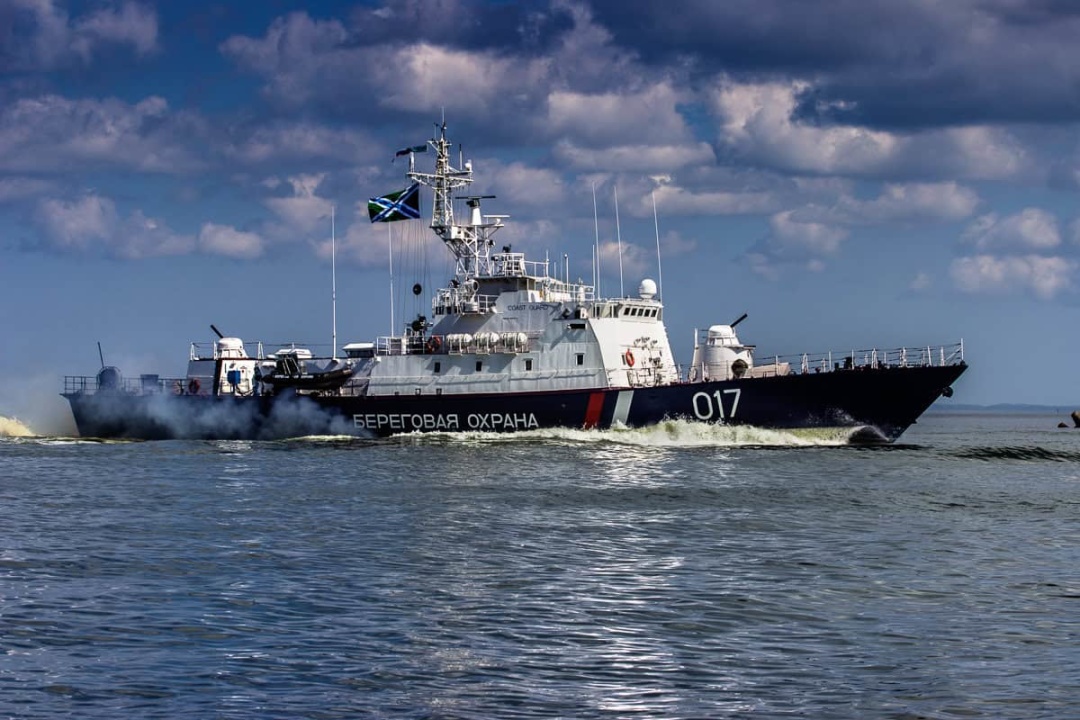
Project 10410 Border Patrol Ship
It is worth noting that the Project 10410 patrol ship, known by the codename Svetlyak ("Firefly"), belongs to a series of Soviet and Russian third-rank border patrol vessels designed for coastal operations.
The primary mission of these ships is to protect national borders, territorial waters, and coastal shipping lanes. They are also used to monitor ports and can contribute to localized air-defense and anti-submarine defense missions.
The vessels are 49.5 meters long, capable of speeds of 30–32 knots, and typically carry a crew of 28 personnel.
According to Russian government procurement records, construction of a single vessel cost more than 1.374 billion rubles in 2014. At the end of 2016, Russia's Federal Security Service (FSB) signed a contract for two modernized ships worth 3.7 billion rubles, or approximately 1.85 billion rubles per vessel. Based on prevailing exchange rates at the time, the estimated cost of a single patrol ship ranged from $25 million to $30 million.
NOVOROSSIYSK, WE HAVE A PROBLEM...
The end of the month proved no less stressful for Russia's naval commanders.
On May 23, during a strike on Novorossiysk, several naval assets reportedly found themselves within range of Ukrainian long-range strike systems. Among them were the patrol ship Pytlivy, a missile hovercraft, and, according to Ukraine's Unmanned Systems Forces, the frigate Admiral Essen.
The potential significance of these targets is difficult to overstate.
The Admiral Essen, a Project 11356R frigate, is one of the most capable surface combatants in Russia's Black Sea Fleet. Equipped with Kalibr cruise missiles, it is designed to perform both air-defense and strike missions and remains one of the fleet's most valuable operational assets.
Meanwhile, Novorossiysk has become an increasingly important naval hub since Russia was compelled to relocate much of its Black Sea Fleet infrastructure away from Crimea. As a result, attacks against vessels and facilities in the port carry significance that extends well beyond the immediate damage inflicted.
The fact that high-value vessels in Novorossiysk continue to face the threat of Ukrainian long-range strikes suggests that even bases intended to serve as safer alternatives to Sevastopol can no longer be considered fully secure.
For Russian naval planners, this creates a growing dilemma: how to protect major fleet assets as the reach of Ukrainian strike capabilities continues to expand.
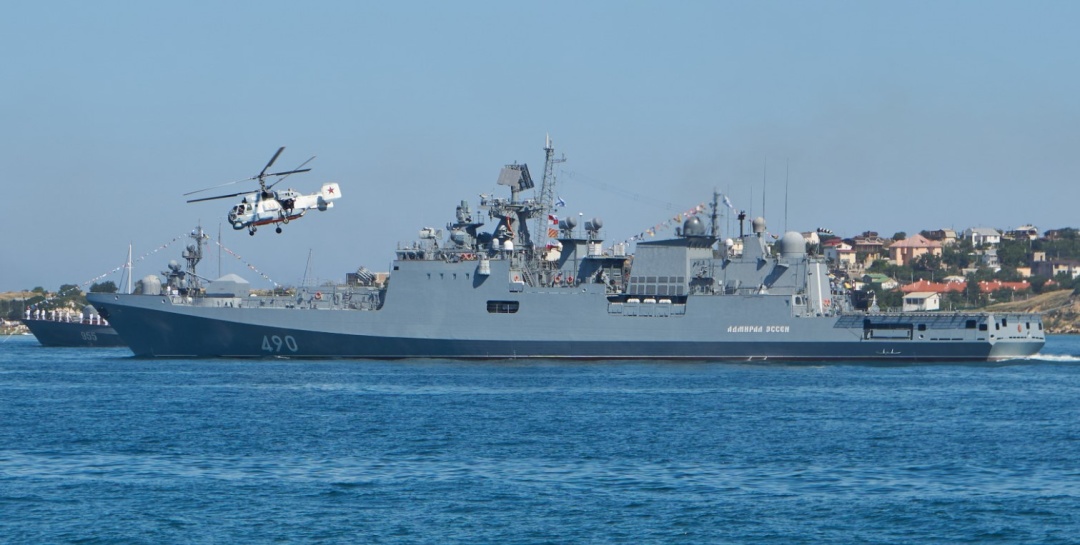
Frigate Admiral Essen
While the Admiral Essen is widely known as a Kalibr cruise missile carrier and one of the most important and modern warships in Russia's Black Sea Fleet, the other two vessels reportedly struck during the attack are far less familiar to the general public.
The Pytlivy patrol ship (Project 1135M) was the last operational representative of its class remaining in service with the Black Sea Fleet at the time of the strike. Although the vessel is far from new—it entered service in 1982—Russian forces continued to employ it extensively for patrol and anti-submarine warfare missions.
Its age, however, does not necessarily diminish its military value. The gradual attrition of the Black Sea Fleet throughout the war has increased the importance of even older vessels that remain seaworthy and combat-capable. As a result, the loss or damage of ships such as the Pytlivy can have a disproportionate impact, particularly when few direct replacements exist.
The contrast between the two ships is striking. On one side stands the Admiral Essen, a modern guided-missile frigate and a key strike platform. On the other is the Pytlivy, a Soviet-era veteran still performing patrol and anti-submarine duties more than four decades after entering service.
Yet both found themselves exposed to the same reality: naval assets operating in what Russia considers its strategic rear are increasingly vulnerable to Ukrainian long-range strike capabilities.
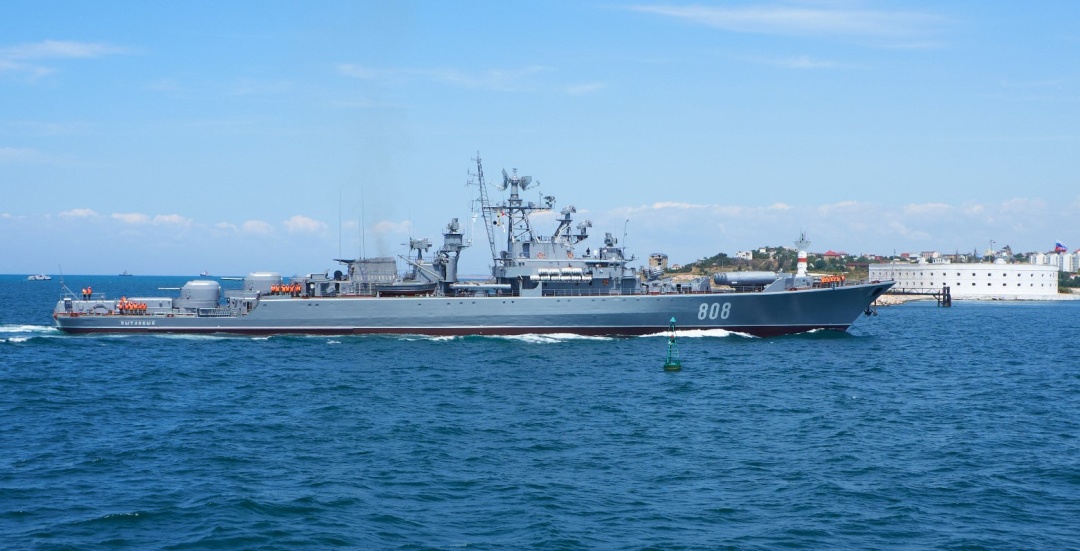
Patrol Ship Pytlivy (Project 1135M)
Estimating the precise value of the Pytlivy is difficultю
What is known is that during the Soviet era, construction of a large patrol ship (frigate) of this class cost approximately 20–30 million Soviet rubles. International naval reference publications estimate the notional value of a newly built vessel of comparable size and capability at roughly $475 million in today's prices.
By May 23, 2026, the ship had been in service for 44 years and, from an accounting standpoint, was fully depreciated, with its book value effectively reduced to zero. Its residual worth as scrap metal and a source of spare parts was likely no more than $5–10 million.
What matters, however, is that for Russia's Black Sea Fleet, the loss or damage of the Pytlivy as a combat asset would be far more painful than the loss of a few million dollars.
Russian authorities invested considerable resources in keeping the vessel operational. It underwent repeated overhauls, each costing the federal budget millions of dollars. The ship's service life was repeatedly extended, largely because of its still-capable weapons systems, which allowed it to engage submarines and surface vessels while also contributing to the protection of other Black Sea Fleet ships against Ukrainian naval drones.
In the end, all that effort appears to have been in vain.
NO ANALOGS, BUT PLEASE BEAR WITH US
As for the missile hovercraft reportedly struck during the attack, it too belongs to the category of Soviet-era holdovers.
The Project 1239 Bora-class air-cushion missile ships (Russian codename Sivuch) are among the most unusual and specialized vessels ever built for the Soviet and later Russian Navy.
Only two were ever constructed: Bora and Samum, both assigned to Russia's Black Sea Fleet.
Designed during the late Cold War, these vessels were intended for rapid hit-and-run operations against enemy surface forces. Their mission was straightforward: dash into open waters at extremely high speed, launch anti-ship missiles against NATO naval formations, and withdraw before an effective response could be organized.
Even by Soviet standards, they represented a highly unconventional approach to naval warfare—one that remains unique to this day.
The concept reflected Cold War-era military thinking, in which speed and surprise were expected to compensate for limited numbers. As a result, the Bora class became one of the most distinctive—and arguably most eccentric—products of late Soviet naval engineering.
Today, with only two vessels ever built, they remain rare examples of a design philosophy that never evolved beyond a highly specialized niche within the fleet.
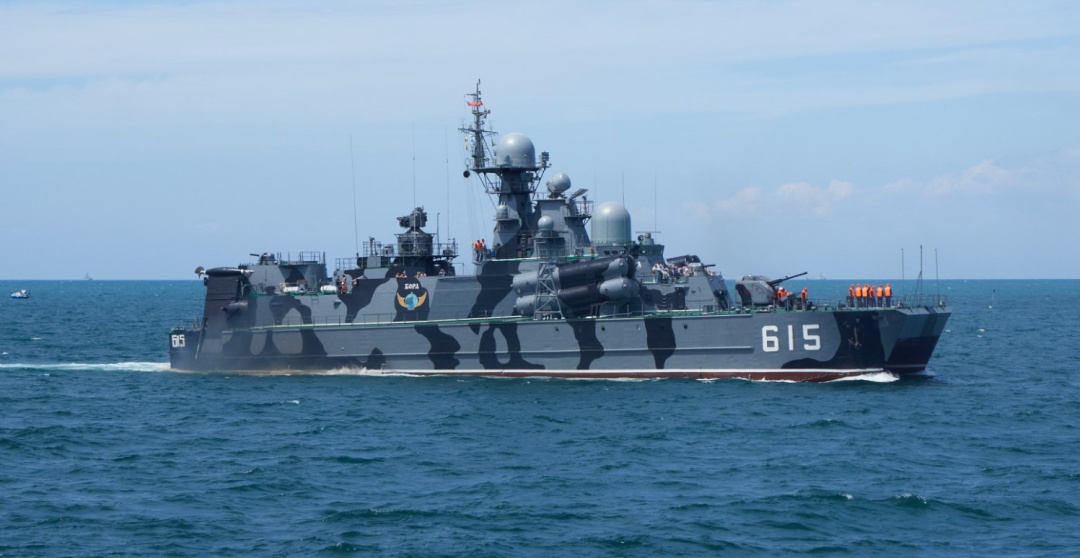
Project 1239 Bora-Class Air-Cushion Missile Ship
The Bora and its sister ship possess two particularly unusual characteristics.
First, they are catamaran-type vessels, featuring two narrow hulls connected by a broad central deck. This configuration provides enhanced stability while creating the space necessary for the second defining feature of the design.
That second feature is the use of an air-cushion system.
Powerful fans force air into the space between the two hulls, while flexible seals—or "skirts"—at the bow and stern enclose the area beneath the deck. The result is a cushion of pressurized air that partially lifts the vessel above the water's surface.
By reducing hydrodynamic resistance, this system allows the ship to achieve speeds that would be extraordinary even for much smaller vessels. It is this combination of catamaran architecture and air-cushion technology that makes the Bora class one of the most unusual warship designs ever to enter operational service.
The result is a dramatic reduction in hydrodynamic drag, allowing the vessel to achieve exceptionally high speeds. Under favorable conditions, a Project 1239 ship can reach 55 knots—more than 100 kilometers per hour—making it one of the fastest heavily armed warships ever built.
This unusual combination of catamaran architecture and air-cushion technology was intended to provide a significant tactical advantage. By moving far faster than conventional missile ships, the Bora class was designed to rapidly approach a target, launch its missiles, and withdraw before an adversary could mount an effective response.
The concept was ambitious, technologically innovative, and unmistakably Soviet in its willingness to pursue unconventional solutions. It remains one of the most distinctive naval projects of the late Cold War era.
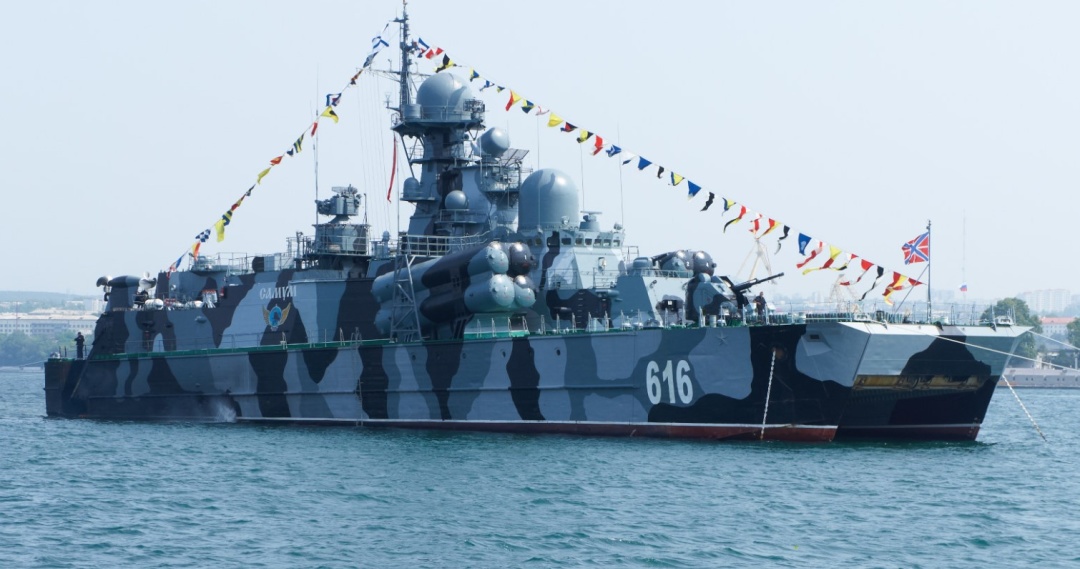
Samum, Bora's Sister Ship
For a combat vessel more than 65 meters long and displacing roughly 1,050 tons, such performance is genuinely remarkable. A top speed of 55 knots places the Project 1239 ships among the fastest missile-armed warships ever constructed.
Their firepower is equally unusual.
Despite their relatively modest size, these vessels are often compared to much larger missile cruisers in terms of offensive striking capability. Their primary armament consists of eight P-270 Moskit supersonic anti-ship missiles, carried in two launchers mounted along the sides of the ship, with four missiles per launcher.
Russian military doctrine has long promoted the Moskit as an "aircraft-carrier killer." The missile flies at extremely high speed while skimming just above the sea surface, making detection and interception considerably more difficult.
According to international defense analysts, building a modern missile corvette or comparable warship equipped with a similar weapons package would cost at least $150–200 million today.
Fortunately for Ukraine, Russia faces a major problem with these unique vessels: keeping them operational.
The Bora and Samum rely on an exceptionally complex propulsion arrangement involving three different types of engines: diesel engines, gas turbines used for air-cushion operations, and auxiliary power units. Even before the current war, both vessels reportedly spent a significant portion of their service lives undergoing repairs and maintenance.
Because Russia can no longer readily manufacture many of the replacement components and propulsion systems required to sustain these aging ships, damage inflicted on one of them during the May 23 strike on Novorossiysk effectively jeopardizes the future of a unique combat platform that Russia is unlikely ever to replace or recreate.
TURBULENCE AT THE AIRFIELDS
As the chef's special on May's menu, we turn to losses suffered by Russian aviation.
These losses were somewhat unusual—and distinctly naval in character.
On May 15, Ukrainian operators struck a Be-200 amphibious aircraft and a Ka-27 shipborne helicopter at Yeysk Air Base.
The choice of targets was noteworthy. Both aircraft are closely associated with maritime operations rather than frontline tactical aviation.
The Ka-27 serves as a naval helicopter used for anti-submarine warfare, search-and-rescue missions, and fleet-support tasks. The Be-200, meanwhile, is a versatile amphibious aircraft capable of operating from both conventional runways and water surfaces, making it particularly useful for maritime patrol, rescue operations, and other specialized missions.
Their appearance on the list of damaged assets further illustrated the breadth of Ukrainian strike activity during May, which extended beyond air-defense systems and naval vessels to include aviation assets supporting Russia's maritime capabilities.
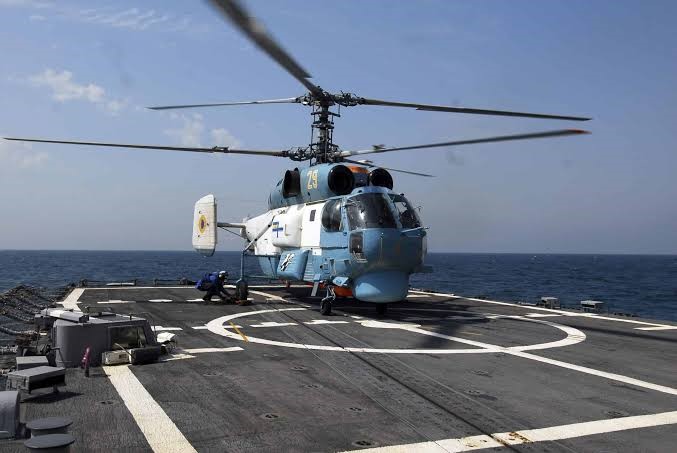
Ka-27 Shipborne Helicopter
For Russia's naval aviation branch, these are far from ordinary aircraft.
The Ka-27 is employed for anti-submarine warfare, maritime surveillance, and search-and-rescue operations. It serves as one of the Russian Navy's primary shipborne helicopter platforms and is routinely deployed aboard major surface combatants.
The value of a single Ka-27 is estimated at approximately $1.5 million.
The Be-200PS amphibious aircraft reportedly destroyed in the strike was likewise capable of conducting maritime patrol and surveillance missions. Its ability to operate from both airfields and water surfaces provided a degree of flexibility that few other aircraft in Russia's inventory can match.
While neither aircraft carries the prestige of a modern fighter jet or strategic bomber, both occupy important niche roles within Russia's naval aviation structure. Their value lies not only in their price tags but also in their highly specialized capabilities, which are difficult to replace quickly.
For that reason, the loss of a Ka-27 and a Be-200PS represents more than the destruction of two aircraft. It reduces the fleet's capacity for maritime reconnaissance, search-and-rescue operations, and coastal patrol missions—functions that become increasingly important as military activity expands across the Black Sea and other maritime theaters.
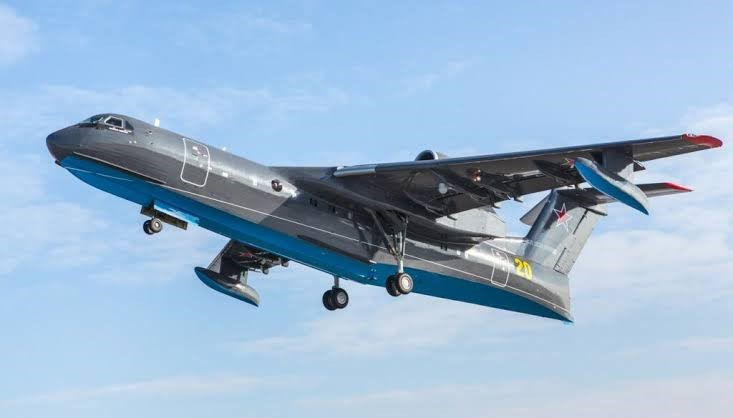
Be-200PS Amphibious Patrol Aircraft
Over the course of the entire production program, Russia managed to build only slightly more than twenty Be-200 aircraft. Today, production of new aircraft of this class has been largely curtailed by sanctions and industrial constraints.
A major obstacle is the aircraft's engine supply. Earlier variants relied on Ukrainian D-436 engines produced by Motor Sich. Russia has yet to fully develop, certify, and mass-produce a replacement capable of supporting large-scale production of the aircraft.
The value of a single Be-200 is estimated at approximately $40–60 million.
Yet the true finale of the month came in its closing days.
During the night of May 30, Ukrainian drones reportedly paid a visit to the area around Taganrog.
According to confirmed reports, two Tu-142 long-range anti-submarine warfare aircraft came under attack there.
These are among the rarest and most valuable aircraft in Russia's naval aviation inventory.
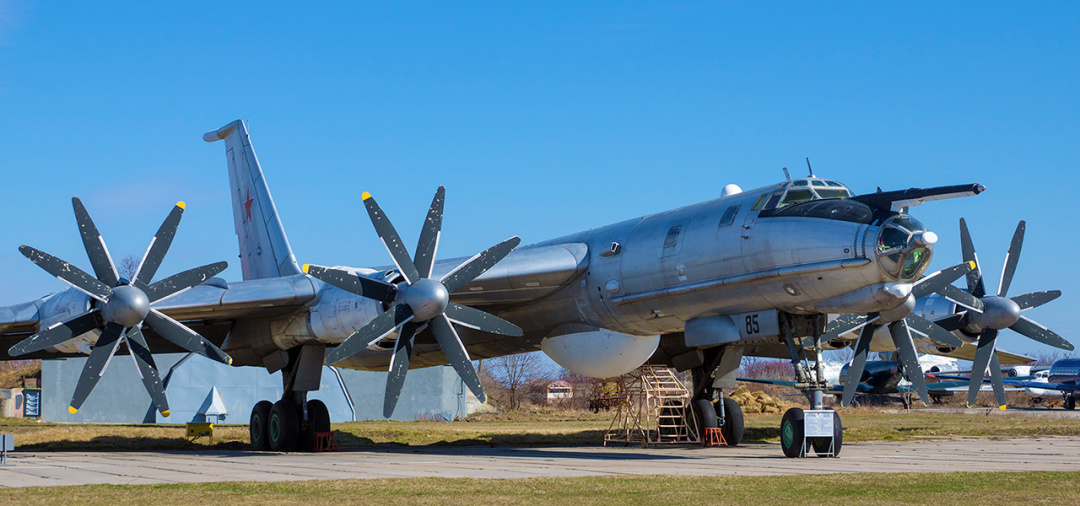
Tu-142 ((NATO Reporting Name: Bear-F) Long-Range Anti-Submarine Aircraft
Derived from the Tu-95 strategic bomber, the Tu-142 was developed as a long-range maritime patrol and anti-submarine warfare platform. Designed during the Cold War to track NATO ballistic-missile submarines across vast ocean areas, it remains one of the few Russian aircraft capable of conducting extended maritime reconnaissance and anti-submarine operations far from home bases.
Their rarity is particularly significant. Only a limited number remain in service, and production ended decades ago. Unlike many tactical aircraft, the Tu-142 cannot simply be replaced from an active production line.
Any damage to such aircraft therefore carries consequences that extend well beyond their monetary value. Every airframe lost reduces a specialized capability that Russia can neither rapidly replace nor readily regenerate.
If the reported strikes inflicted serious damage, Russia would lose not only costly airframes but also part of a highly specialized capability that plays a central role in maritime surveillance, anti-submarine warfare, and the monitoring of strategic sea approaches.
The appearance of Tu-142s on the target list highlighted a broader trend that became increasingly evident throughout May: Ukrainian strikes were focusing not merely on frontline equipment, but on scarce, specialized, and difficult-to-replace assets whose loss can have an outsized impact on Russia's warfighting capabilities.
During the same raid, another high-value target reportedly came under attack: an Iskander-M operational-tactical missile system.
Unlike many of the other targets struck during May, the Iskander is not a supporting asset but one of Russia's principal long-range strike weapons. Its appearance on the target list demonstrated that Ukrainian operations were increasingly reaching beyond support infrastructure and air-defense assets to threaten systems directly involved in Russia's offensive military capabilities.
The strike was recorded near the settlements of Mykhailovka and Yefremovka in Russia's Rostov Region, approximately 30 kilometers from Taganrog and about 145 kilometers from the frontline.
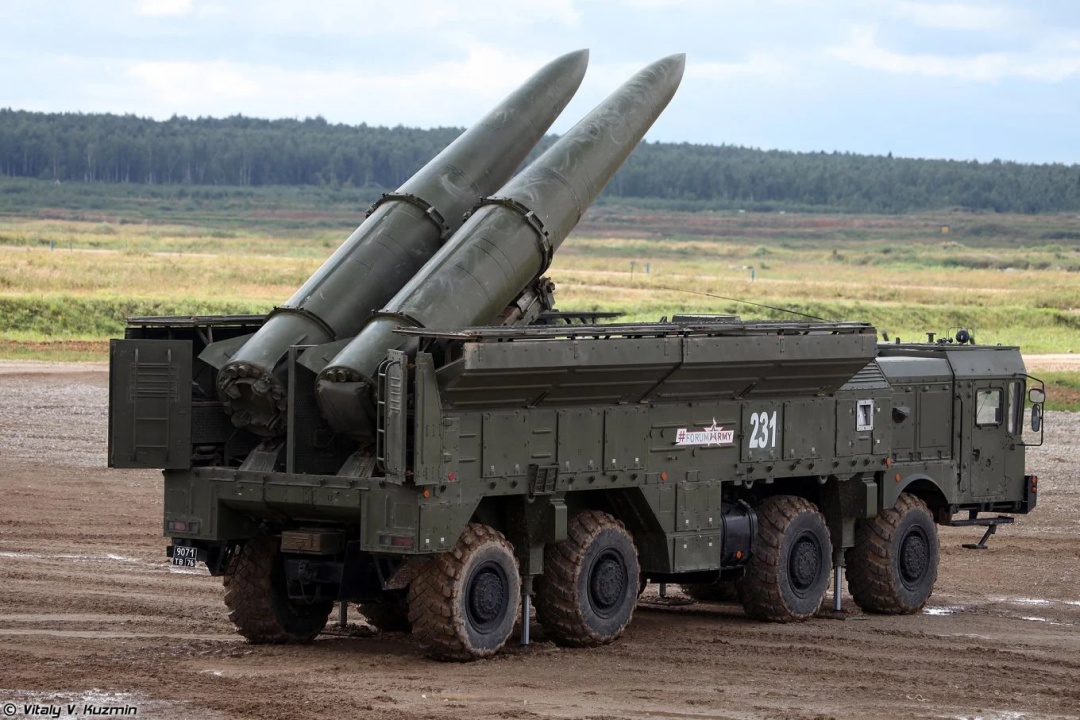
Iskander-M Operational-Tactical Missile System
The significance of a strike against an Iskander-M extends well beyond the loss of a single launcher or support vehicle.
The Iskander-M is one of Russia's premier operational-tactical missile systems, capable of delivering precision strikes at considerable ranges. It has played a prominent role throughout the war and remains one of the Russian military's most valuable conventional strike assets.
As a result, attacks against Iskander units are noteworthy because they target not merely support infrastructure but one of the principal systems Russia uses to project long-range firepower.
Combined with strikes against naval aviation assets, air-defense systems, radar stations, and warships throughout May, the incident reinforced a consistent pattern: Ukrainian operations increasingly focused on scarce, expensive, and strategically important assets located far beyond the immediate battlefield.
ANALOGS EXIST. THE PROBLEMS REMAIN
May revealed another uncomfortable trend for the Kremlin.
Increasingly, it is not only frontline air-defense systems that are coming under attack, but also high-value assets belonging to Russia's strategic aviation, missile forces, and navy—often hundreds of kilometers from the front and, in some cases, more than 1,500 kilometers from Ukraine.
The pattern that emerged over the course of the month was difficult to ignore. Ukrainian strikes reportedly targeted a broad spectrum of military assets, including air-defense systems, radar stations, command-and-control nodes, naval vessels, maritime aviation aircraft, and operational-tactical missile systems.
Just as noteworthy as the variety of targets was the geography of the attacks. What began in occupied territories and frontline regions increasingly extended deep into Russia's rear areas, reaching targets in the Baltic and Caspian regions and challenging assumptions about the safety of the country's strategic depth.
Viewed in aggregate, the significance of these strikes cannot be measured solely in terms of destroyed equipment worth hundreds of millions of dollars.
Their cumulative effect is also reflected in the growing pressure placed on Russia's ability to protect military infrastructure that was once considered safely beyond the reach of Ukrainian weapons.
Which raises the question:
Have we already begun—or not quite yet?
Ivan Stupak, Kyiv
Photos are for illustrative purposes and were obtained from publicly available sources