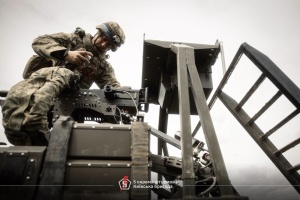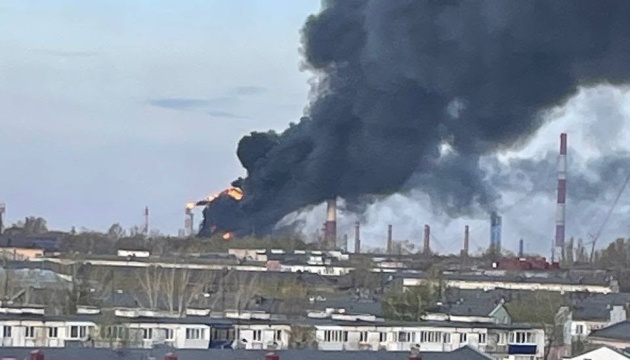
Ukraine says long-range strikes cause fuel crisis in Russia, cutting 30% of refining capacity
The statement was published on Facebook, according to Ukrinform.
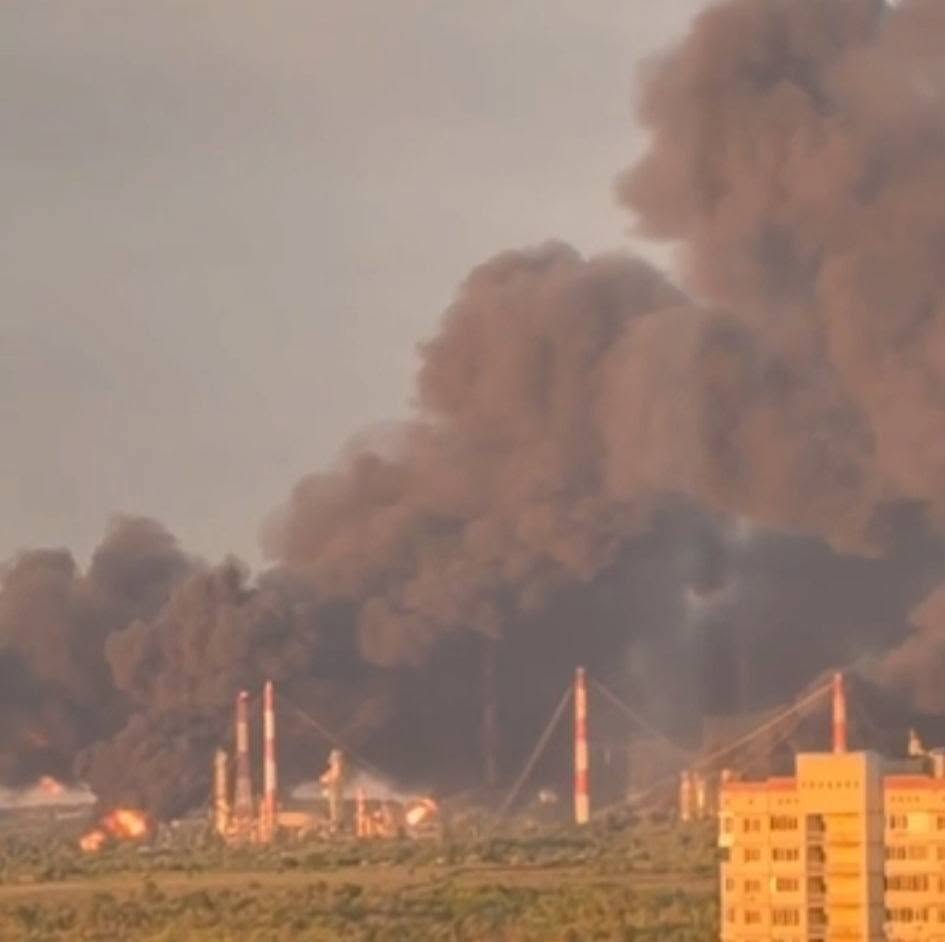
According to the General Staff, more than 30% of Russia’s oil refining capacity has been taken out of service as a result of strikes on oil infrastructure.
Officials said that 16 major Russian oil refineries and terminals have been hit, and more than 40 processing units have been shut down.
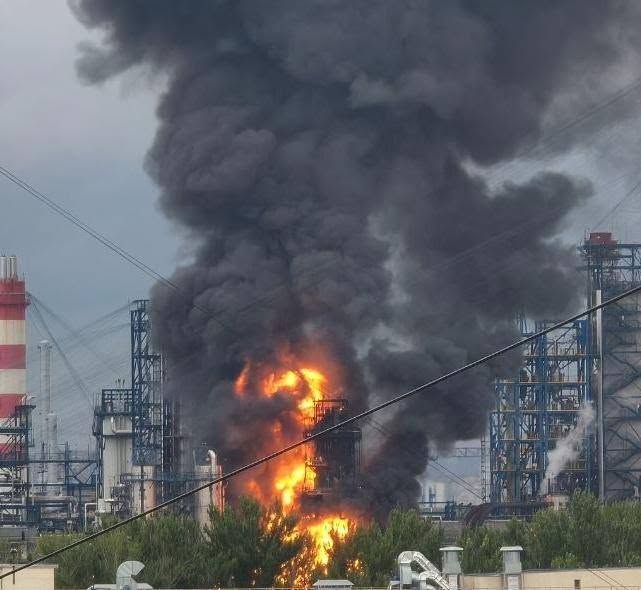
They added that, due to international sanctions, Russia is unable to restore the damaged facilities, as import substitution has proven ineffective. As a result, oil production is declining because there is limited capacity for refining and export.
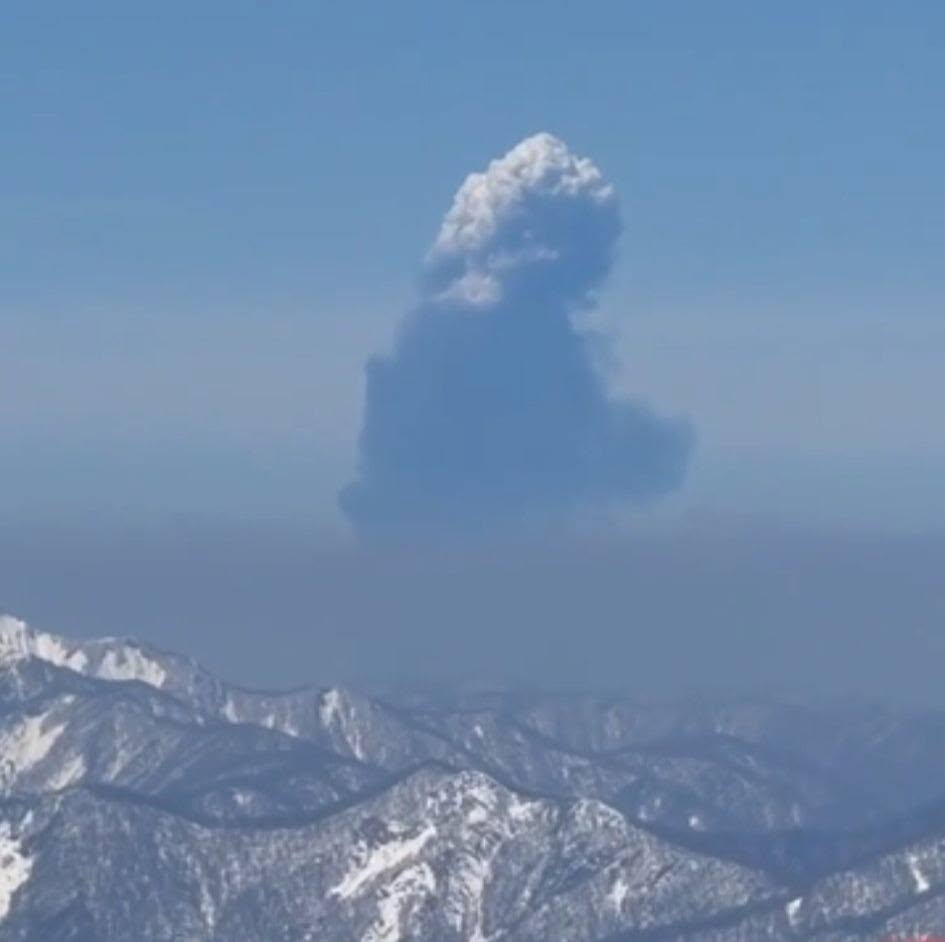
The General Staff cited OPEC data indicating that Russian oil production has fallen to a yearly low of around 9.009 million barrels per day.
Ukrainian military officials also reported what they described as a fuel crisis inside Russia. Gasoline production, they said, has dropped to a 16-year low, and the government has been forced to ban fuel exports, though shortages continue.
In temporarily occupied Crimea and parts of the Luhansk region, AI-95 gasoline is reportedly being rationed through card systems. In Russia’s Kursk, Belgorod, and Pskov regions, fuel sales are limited to 20 liters per vehicle.
The statement also claimed that aviation fuel shortages are affecting major Russian airports, leading to restrictions on aircraft refueling.
Additionally, the government of the Russian Federation has reportedly authorized the production of lower-quality fuel (Euro-3 standards), due to equipment shortages and damage to refining infrastructure.
The General Staff said that each damaged refinery or fuel depot creates local shortages affecting Russian military logistics, reducing supplies of ammunition and revenue for the war effort.
As reported by Ukrinform, on June 16, Ukraine’s Defense Forces struck the Moscow oil refinery.
Photo: AFU General Staff