Rzeszów Security Forum: Svyrydenko’s Visit Amid a Surge in Ukrainian Ballistic Capabilities
During the conference “On the Road to the URC (Ukraine Recovery Conference): Security and Defense Dimension” in the Polish city of Rzeszów, several developments of real significance for Ukraine–Poland bilateral relations took place. They point to a growing recognition of the need to advance cooperation in the security domain—an area that is becoming increasingly central to ties between Kyiv and Warsaw.
A Ukrinform correspondent examined in detail both the official proceedings of the conference and its side events, as well as the discussions taking place behind the scenes.
ON THE ROAD TO GDAŃSK
As its title suggests, the conference served as a stepping stone toward the key event of the year in Poland on the Ukrainian track—the Ukraine Recovery Conference (URC 2026), scheduled for June 25–26 in Gdańsk. Delegations from around 100 countries are expected to attend, including more than 40 at the government level.
Warsaw had long sought the right to host this annual international forum, which is being held for the fifth time this year, and is keen to ensure it delivers tangible outcomes. As one Polish government official told Ukrinform, it is important for Poland that the Gdańsk conference yield concrete decisions and results—“rather than, as is often the case, such events differing only in the lunch menu.” Початок форми
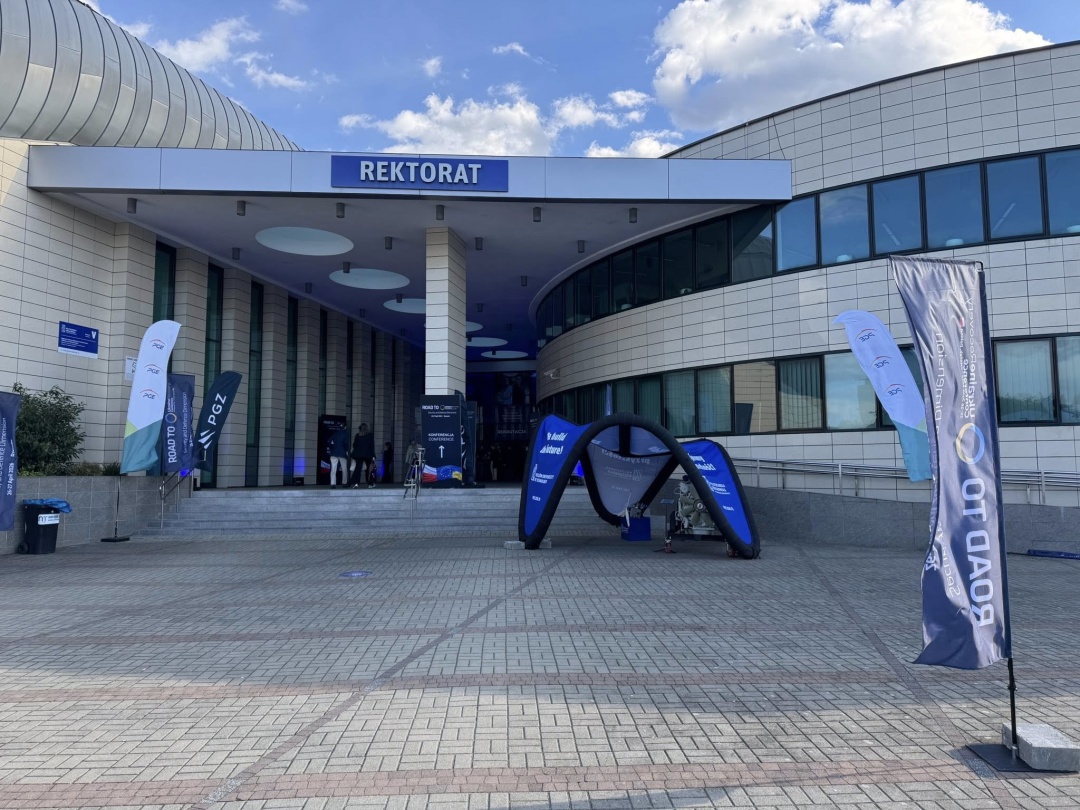
A week ahead of the conference in Rzeszów, Poland’s government plenipotentiary for organizing URC 2026, Eliza Zeydler, underscored that—unlike in previous years—the Polish side had opted to hold just one event in the “On the Road to URC” series. The aim was to avoid dispersing efforts and instead concentrate on one of the most critical areas: security and defense.
The choice of Rzeszów as the venue was deliberate. First, the city holds the status of a “rescue city” for Ukraine—a designation granted to several European cities that provided substantial assistance to Ukrainians in 2022—and serves as the administrative center of a region bordering Ukraine. It is also home to Jasionka, the key aid hub for Ukraine. Second, Rzeszów and the wider Subcarpathian Voivodeship host a significant number of defense industry enterprises with clear potential for cooperation with Ukraine’s defense sector. The conference was also held at Rzeszów University of Technology, an institution actively investing in drone research and development. Finally, the city is the hometown of Poland’s government plenipotentiary for Ukraine’s reconstruction, Paweł Kowal.
SVYRYDENKO’S FIRST VISIT TO POLAND
The conference featured several components: a political-expert track, an exhibition, and a practical segment—a tournament of FPV drone racing.
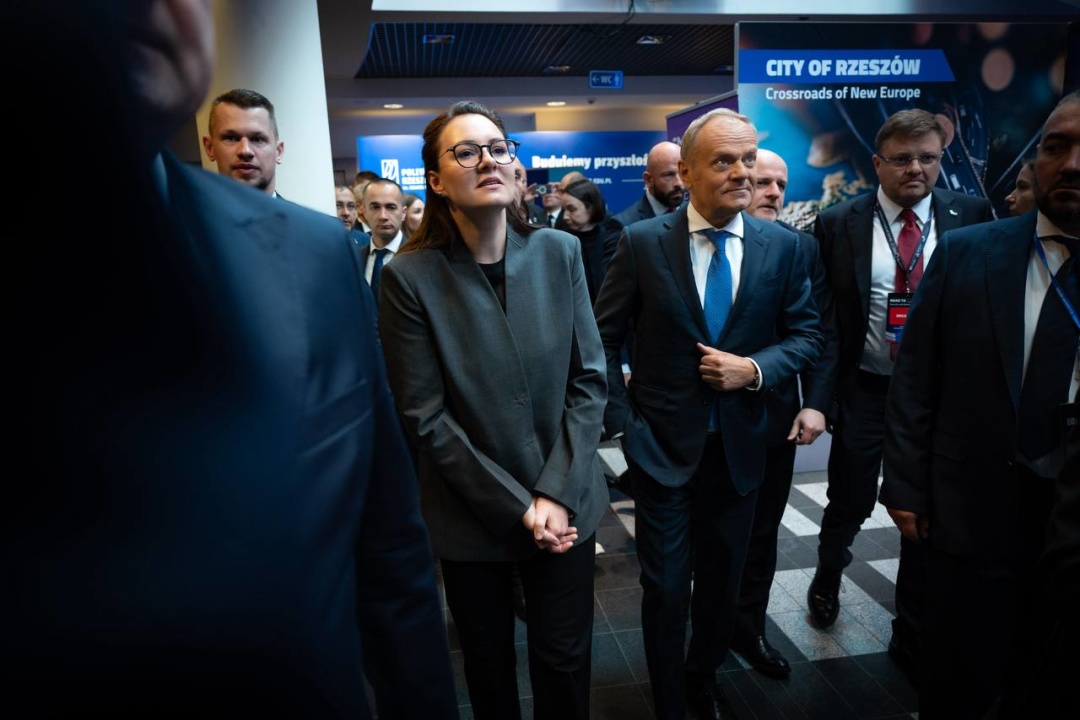
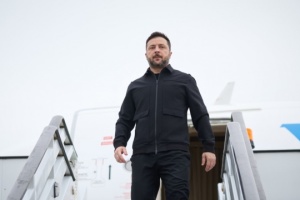
Although plans for the attendance of the Prime Ministers Yuliia Svyrydenko of Ukraine and Donald Tusk of Poland had circulated in advance, confirmation came only at the last moment. Svyrydenko’s participation was particularly notable, marking her first visit to Poland in her current role.
The leaders’ speeches underscored the shifting dynamics of the partnership. Svyrydenko stressed that over four years of full-scale war with Russia, Ukraine has transformed from a recipient of Western arms into a significant global producer of high-tech military systems—particularly drones and missiles—and is now ready to share this expertise with partners, including Poland.
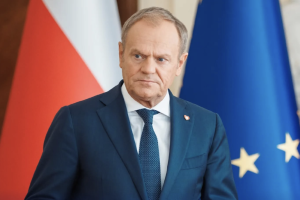
In what appeared to be a direct response, Tusk announced that Poland would develop its own “drone fleet,” drawing on Ukrainian experience and technologies.
Beyond the public program, Svyrydenko’s visit included one-on-one talks with Tusk as well as broader intergovernmental negotiations. The agenda covered a wide spectrum of bilateral issues—from defense industrial cooperation to energy, trade, and the development of border and logistics infrastructure.
According to Ukrinform, the two leaders also held an extended private meeting behind closed doors. This provided an opportunity to address a range of sensitive issues, as well as potential collaborative projects and strategic priorities. It is possible—though not confirmed—that Tusk used this meeting to brief Svyrydenko on plans for a major prisoner exchange that took place the following day. Under a “5-for-5” arrangement involving several countries, Russian archaeologist Alexander Butyagin—detained in Warsaw at Ukraine’s request for extradition—was transferred to Moscow. In exchange, prominent Belarusian journalist of Polish origin Andrzej Poczobut, along with two other individuals important to Warsaw, was released from detention.
THE SENSATION OF UKRAINIAN BALLISTIC TECHNOLOGY
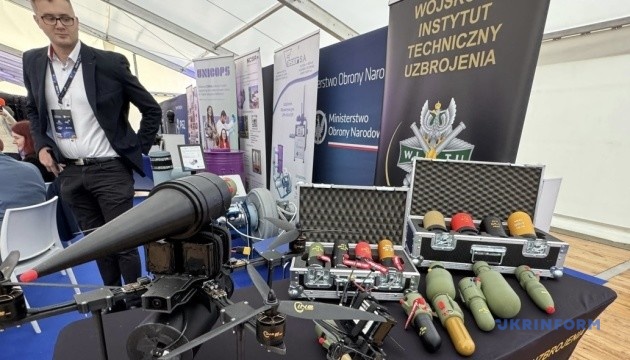
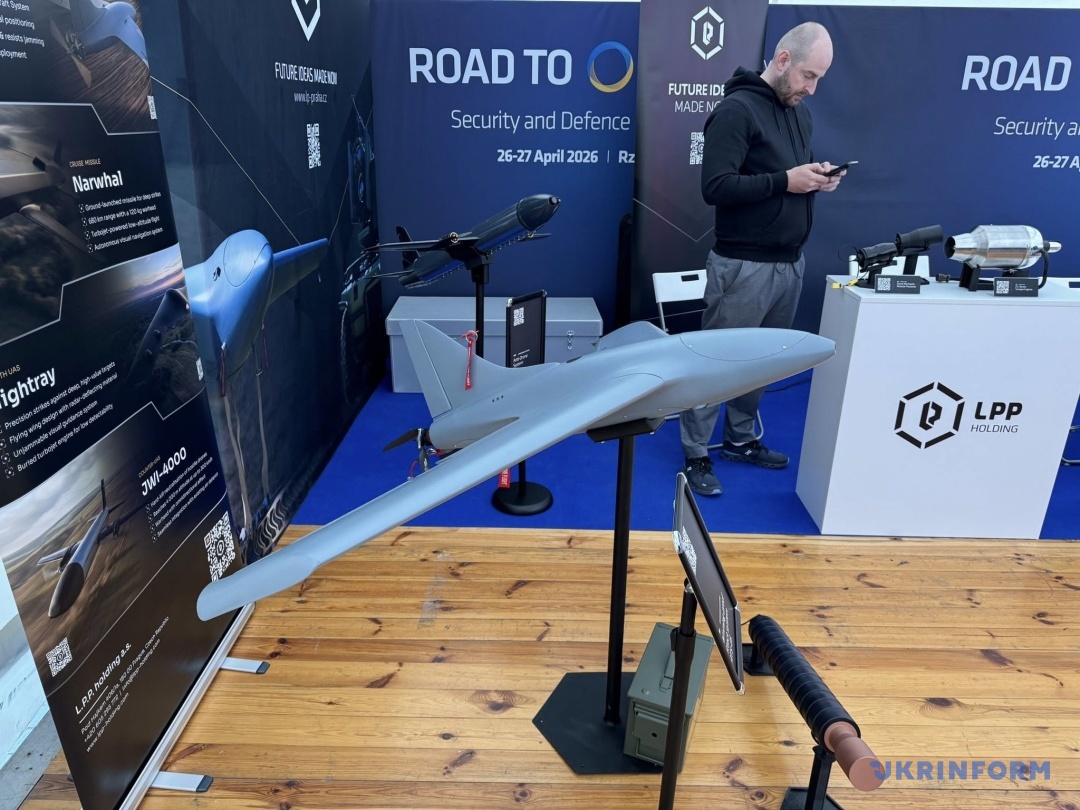
Yuliia Svyrydenko and Donald Tusk visited a defense exhibition in Rzeszów, where nearly 120 companies showcased their products, including 45 from Ukraine.
The Ukrainian company Fire Point—known for its long-range “Flamingo” cruise missiles—used the platform to present abroad, for the first time, mock-ups of its FP-7 and FP-9 ballistic missiles. According to a company representative speaking to Ukrinform, the FP-7, with a range of up to 300 kilometers, is broadly comparable to the U.S.-made ATACMS. The system is currently undergoing qualification trails and is expected to enter service with the Armed Forces of Ukraine in the near term.
He described the FP-9 as Ukraine’s “long arm,” capable of striking targets as far as Moscow and Saint Petersburg. “When such a missile reaches Moscow, it will significantly alter public perceptions,” the representative stated.
The FP-9—positioned as an analogue to Russia’s S-400 missile system—is scheduled to begin testing in June, with initial operational capability expected by the end of the year.
Interest in Ukrainian ballistic capabilities at the exhibition was exceptionally high. Representatives of foreign defense companies and conference participants reportedly queued to obtain further details. The installation of the missile mock-ups itself drew sustained attention, with observers reacting with a mix of curiosity, professional interest, and, in some cases, unease.
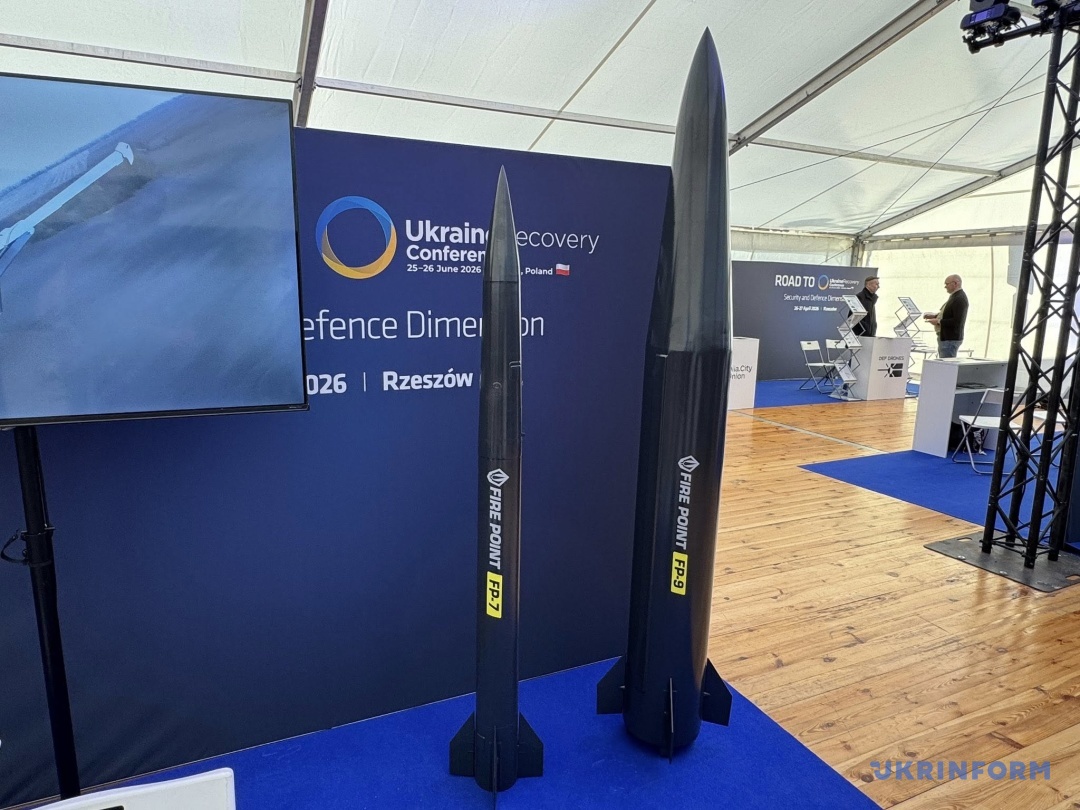
Notably, the public unveiling of the FP-9 model revealed that the missile is significantly larger and more capable than previously inferred from schematic representations—an unexpected development for international partners and, potentially, a concerning signal for Moscow.
Other Ukrainian defense manufacturers were also present. SkyFall showcased its heavy strike hexacopter “Vampire,” also known as “Baba Yaga” for its distinctive acoustic signature and night-operation capability. Ukrainian solutions in the field of ground robotic systems were likewise exhibited, including platforms developed by TarGun and others.
A LANDMARK FPV TOURNAMENT
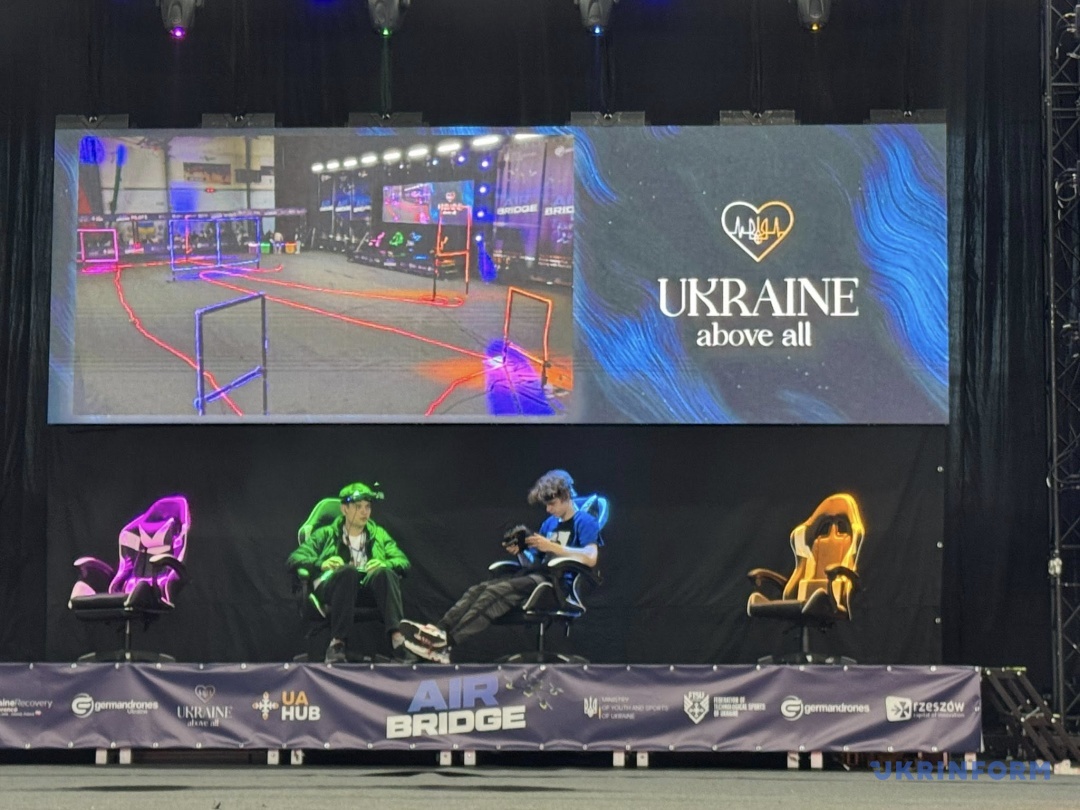
Another highlight of the Rzeszów forum was the international FPV drone racing competition AIR BRIDGE: UA×PL, co-organized by the Ukrainian side. Participants—most of them Ukrainian— piloted FPV drones along a specially designed obstacle course, testing both technical skill and system performance.
The event served as a practical demonstration of Ukraine’s growing expertise in FPV technologies, its evolving training ecosystem, and the expanding role of technological sports as an instrument of state capacity-building. Deputy Minister of Youth and Sports for Digital Development Vitalii Lavrov told Ukrinform that the ministry is systematically coordinating the development of this sector and providing institutional support.

He noted that Ukraine hosted a series of national competitions last year across multiple disciplines, including drone racing, payload drone racing, precision payload delivery, ground robotic systems missions, and cybersecurity. This year, the emphasis is shifting toward regional expansion, with the goal of broadening participation and skill acquisition.
Such efforts are not merely sporting in nature. They contribute directly to building a skilled workforce capable of operating FPV systems—an asset of clear importance under martial law, as well as for broader economic applications. These include agriculture, emergency response, logistics, and humanitarian demining.
The Ukrainian side also intends to scale up the initiative, planning an even larger tournament during URC 2026 in Gdańsk this June.
IN ANTICIPATION OF DEFENSE CONTRACTS
Both the formal negotiations and informal discussions on the sidelines of the forum reflected a growing sense that Ukrainian-Polish defense cooperation may be approaching a qualitative shift. At present, however, this cooperation still falls short of expectations in both Kyiv and Warsaw.
This was openly acknowledged by Oleksandr Kamyshin, adviser to the President of Ukraine on strategic matters. He noted that Ukraine has made significantly greater progress in defense-industrial cooperation with other partners, such as Germany, than with Poland.
“Unfortunately, we do not yet have many joint developments with Poland. Both sides are actively seeking ways to change that,” Kamyshin said.
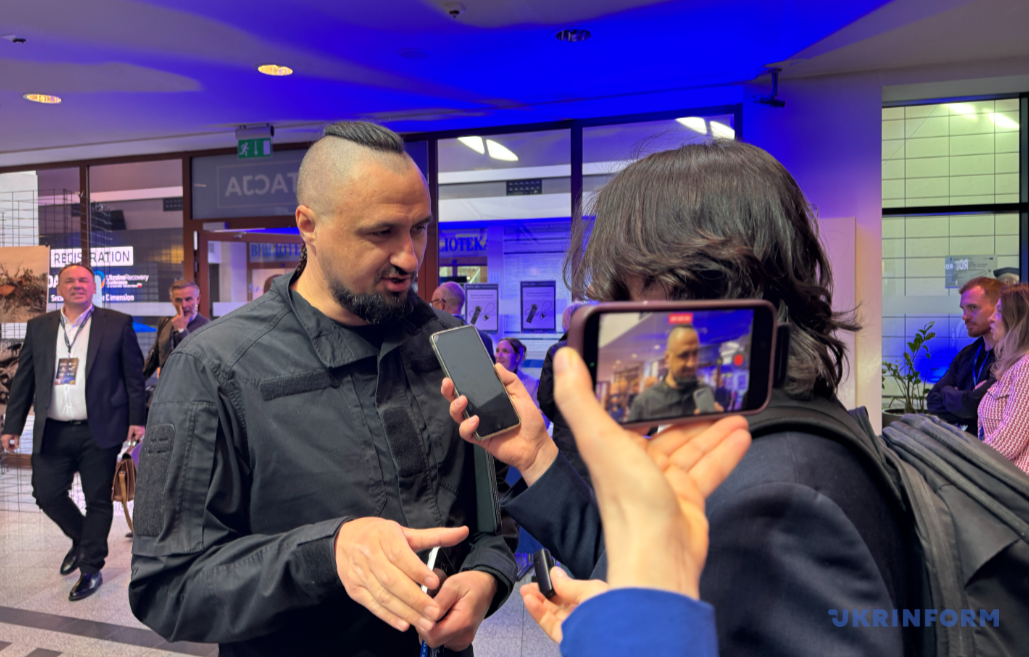
He expressed hope that by the time of the Gdańsk conference, at least a preliminary “Polish model” of cooperation would be developed, enabling the signing of initial agreements between Ukrainian and Polish companies as early as June.
There is also a clear understanding on the Polish side that, compared with other EU partners, Warsaw has been lagging in defense cooperation with Kyiv. This creates additional pressure, given Poland’s role as host of the Ukraine Recovery Conference and its ambition to position itself as a central logistical hub for Ukraine’s postwar reconstruction.
Sources familiar with the negotiations indicated that momentum may be building. “There is a sense that things are starting to move in a positive direction, and that we will soon see acceleration,” one source told Ukrinform.
Prime Minister Donald Tusk is said to be personally committed to ensuring that tangible results emerge in the coming months. The scope for cooperation is broad. According to executives from major Polish defense firms, beyond drone production, priority areas include missile technologies, jet engine manufacturing, and electronic warfare systems.
Ultimately, progress will depend on sustained political commitment and a willingness on both sides to pursue mutually beneficial cooperation on a genuine win-win basis.
Yurii Banakhevych, Rzeszów–Warsaw
Photos via Ukrinform, Cabinet of Ministers of Ukraine