Winning Hearts and Minds: How Ukraine Can Reach the Arab World
Ukrinform Goes Arabic: Ukraine’s Message to the Region Should Be Shaped by Diplomats, Analysts, Military Experts, and Information Security Professionals
Geopolitical turbulence and the rapid transformation of the international order are prompting countries to reassess the value of partnerships and regional alliances. Against this backdrop, the growing engagement between Ukraine and the Middle East has taken on particular significance, especially as security challenges across the region continue to intensify.
Yet this engagement did not emerge overnight. In recent years, Ukraine has built not only economic ties with a number of Middle Eastern countries but also effective humanitarian and diplomatic channels of cooperation.
Saudi Arabia, for instance, has hosted consultations on Ukraine’s Peace Formula as well as negotiations between Ukrainian and U.S. delegations on pathways toward ending the war and ensuring continued support for Ukraine. The United Arab Emirates has played an important mediating role in prisoner-of-war exchanges between Ukraine and Russia, while Qatar has helped facilitate the return of Ukrainian children unlawfully deported to Russia.
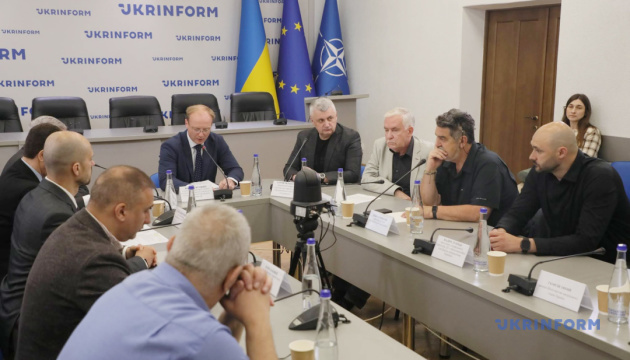
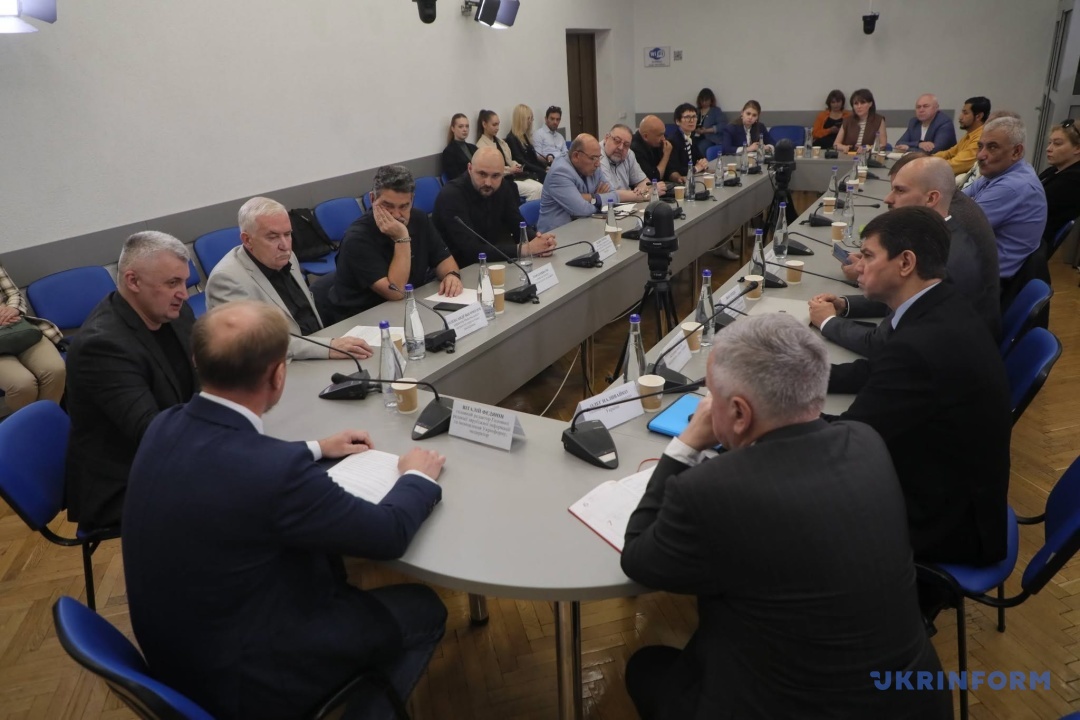
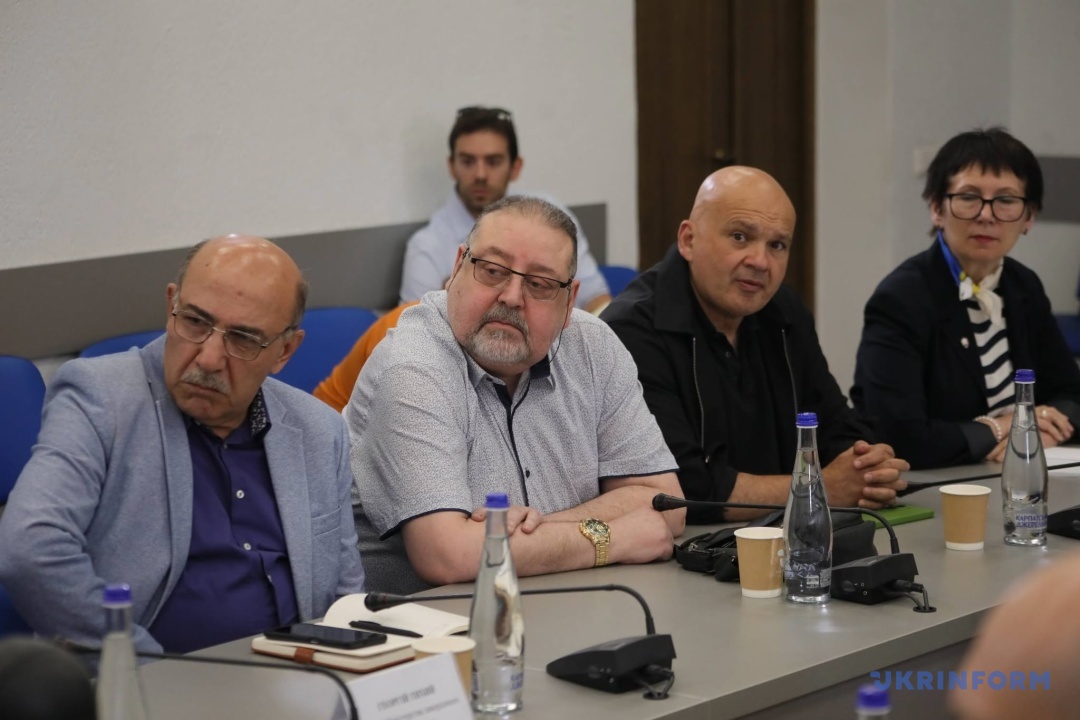
The launch of Ukrinform’s Arabic-language platform offers an opportunity to take a broader look at the evolution of Ukraine’s relationship with the Arab world—past, present, and future. It was this very topic that brought together diplomats, scholars, analysts, Arabists, and information security experts for a roundtable discussion entitled “Ukraine–Middle East: A New Architecture of Partnership.”
Ukrinform brought together Ukrainian and international diplomats, scholars, analysts, Arabists, and information security experts for a candid discussion on Ukraine’s place in the Middle East and the prospects for cooperation with the Arab world. Today, Ukrinform is publishing the ideas, assessments, and forecasts shared during the more than two-hour discussion as a point of departure for a new stage in the agency’s work within the Arabic-language media landscape, which reaches an audience of more than 400 million people.
As the saying goes on social media, we are “leaving this here” not only to record our intentions, but also to revisit them in the future and assess whether the opportunities have been seized and the goals achieved.
FRIENDS AND PARTNERS ARE NOT ONLY THOSE WHO SHARE OUR RELIGION, BUT THOSE WHO SHARE OUR CORE VALUES
The need to move beyond the traditionally Eurocentric and U.S.-centric focus of Ukrainian foreign policy has been discussed for years. However, Russia’s war against Ukraine and the escalating security crisis in the Middle East have accelerated the realization that Ukraine must adopt a broader global perspective.
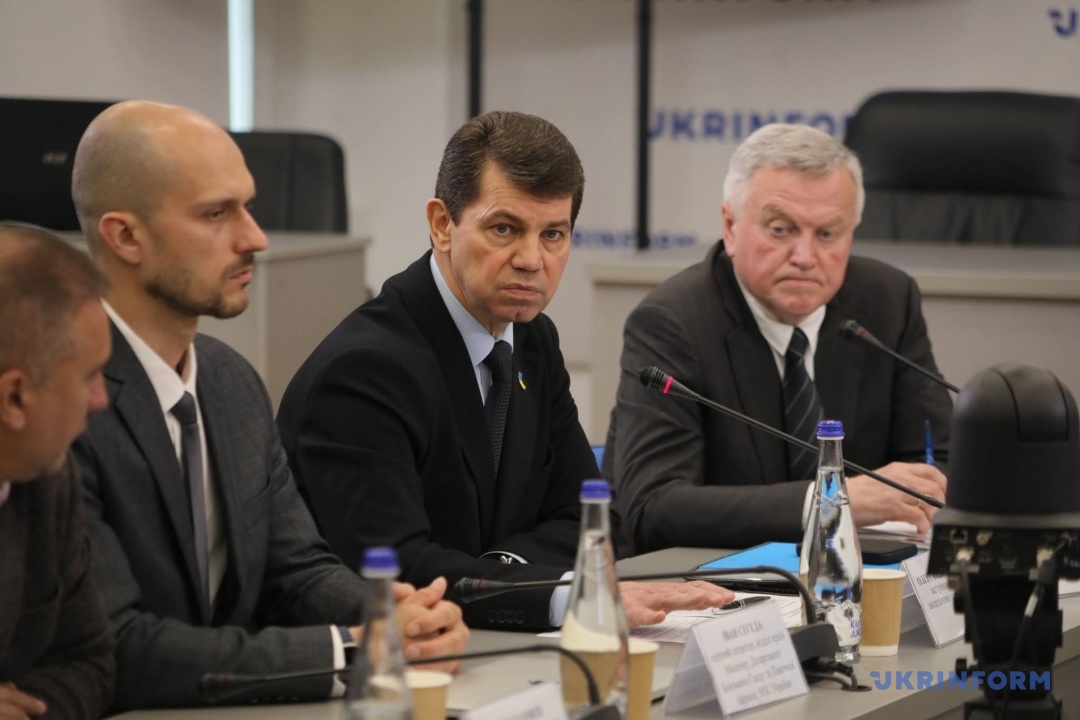
As Ukraine’s Deputy Foreign Minister Oleksandr Mishchenko noted, Ukrainians have often viewed the Arab world as something distant from the “Christian Europe” to which Ukraine saw itself as belonging. Yet developments in the Middle East have underscored just how interconnected the modern world has become. He pointed out that Russia’s use of Iranian-made drones against Ukraine fundamentally changed perceptions of modern warfare. Today, Ukrainian drone technologies are attracting growing interest around the world, including in the Gulf states.
Mishchenko also stressed that viewing the Muslim world as somehow “foreign” or hostile reflects historical stereotypes rather than contemporary reality.
“Today, therefore, we define our close friends and partners not by religious affiliation, but by shared principles—respect for territorial integrity, state sovereignty, and the right of peoples to determine their own future,” Mishchenko said.
According to the deputy foreign minister, these principles form the foundation of Ukraine’s efforts to build a broad coalition of like-minded partners around the world.
Ihor Semvolos, Director of the Center for Middle Eastern Studies, argued that Ukraine still lacks a sustained and institutionalized presence in the Middle East. In his assessment, Ukraine’s current approach to the region suffers from a “classic pathology”: while there is a clear strategic vision and a number of tactical successes, these have not been matched by sufficient resources or long-term institutional engagement.
“We are present situationally, but not institutionally. We are visible during crises, but invisible between crises,” Semvolos observed.
He stressed that Ukraine’s engagement with the Middle East is not simply a matter of regional ambition. Rather, it is a direct consequence of the war. Ukraine must clearly communicate—and its partners must understand—that its activity in the region is driven by two strategic objectives: disrupting Russia’s support networks for the war and preventing the Kremlin from monopolizing the narrative about the conflict across the region.
THERE ARE SIGNIFICANT PROSPECTS FOR SECURITY COOPERATION WITH THE MIDDLE EAST—BUT TIME IS OF THE ESSENCE
Ukraine’s Ambassador to the Kingdom of Saudi Arabia, Anatolii Petrenko, noted that relations between Kyiv and Riyadh have gained considerable momentum in recent years. The progress already achieved, he said, has created substantial opportunities for expanding bilateral cooperation across multiple domains.
Speaking about Saudi Arabia, I believe it is fair to say that our relationship is steadily evolving into a predictable framework of political, economic, and security cooperation, with the early contours of a strategic partnership already emerging,” Petrenko said.
The ambassador also noted that Saudi Arabia drew important lessons from the outbreak of the recent conflict in the Middle East and has since stepped up investments in its national security. In this context, he identified defense technology as a new and promising area of cooperation between Kyiv and Riyadh. According to Petrenko, Ukrainian expertise, operational experience, and technological capabilities can be applied on a mutually beneficial basis to strengthen the Kingdom’s air defense architecture.
“This represents a truly significant opportunity,” he emphasized.
The prospects for expanding Ukraine’s technological and security cooperation with Middle Eastern countries were also highlighted by Ukraine’s Ambassador to the United Arab Emirates, Oleksandr Balanutsa.
Recalling the early stages of the regional conflict, Balanutsa noted that there was initially no clear understanding of how to counter Iranian drone attacks effectively. In some cases, two or even three Patriot interceptor missiles were used to bring down a single drone, underscoring both the scale of the challenge and the need for more cost-effective air defense solutions.
Balanutsa also cited figures that are striking from a Ukrainian perspective. According to available estimates, more than 800 Patriot interceptor missiles were expended during the recent escalation in the Middle East—more than Ukraine has received over the course of Russia’s full-scale invasion.
In his view, this reality has prompted countries in the region, particularly the UAE, to adopt an increasingly pragmatic approach to security. Ukraine, he argued, is well positioned to contribute to a new regional security architecture, but only if it can respond with sufficient speed.
“They (the UAE – ed.) tell us: ‘We need it today. If we do not provide it today, someone else may provide it by this evening.’” Amid our enthusiasm, we must understand the practical timelines involved and deliver the results we are capable of delivering,” Balanutsa said.
He stressed that Ukraine has already established itself as a practical and reliable partner. However, given the urgency of the threats confronting the region—particularly from Iranian drone technology—Ukraine cannot afford bureaucratic delays.
“We cannot deliver results tomorrow or the day after tomorrow. We need to deliver them yesterday,” he added.
Ukraine’s Ambassador to Egypt, Mykola Nahornyi, drew attention to another critical dimension of regional security: food security.
According to Nahornyi, food in the Middle East is not merely an economic issue but a cornerstone of political and social stability. Throughout the region’s modern history, food shortages and price shocks have repeatedly contributed to social unrest and, in some cases, served as catalysts for revolutionary movements.
“Therefore, when engaging with audiences in the region, we should speak not only about grain exports and trade volumes, but also about the fact that Ukraine is, in effect, an exporter of security and stability to the Middle East and North Africa,” Nahornyi emphasized.
At the same time, he drew attention to the ongoing issue of Ukrainian grain stolen by Russia and subsequently sold abroad.
According to data compiled by the Ukrainian Embassy in Egypt, more than 50 shipments of grain originating from Ukraine’s currently occupied territories arrived in Egypt in 2025. In 2026, 14 such shipments were recorded, including 11 after the April 3 phone call between the two presidents. During that conversation, Egyptian President Abdel Fattah el-Sisi assured President Volodymyr Zelensky that Egypt would not accept cargoes containing stolen Ukrainian grain. In practice, however, Egyptian authorities rejected only one Russian vessel carrying agricultural produce originating from occupied Ukrainian territories.
Nahornyi noted that Ukraine has responded not only through diplomatic channels but also through legal means. The embassy has already submitted four prosecutorial requests to the Egyptian authorities as part of a criminal investigation into the illegal export of Ukrainian grain to Egypt.
TO BE HEARD IN THE ARAB WORLD, UKRAINE MUST BE CREATIVE
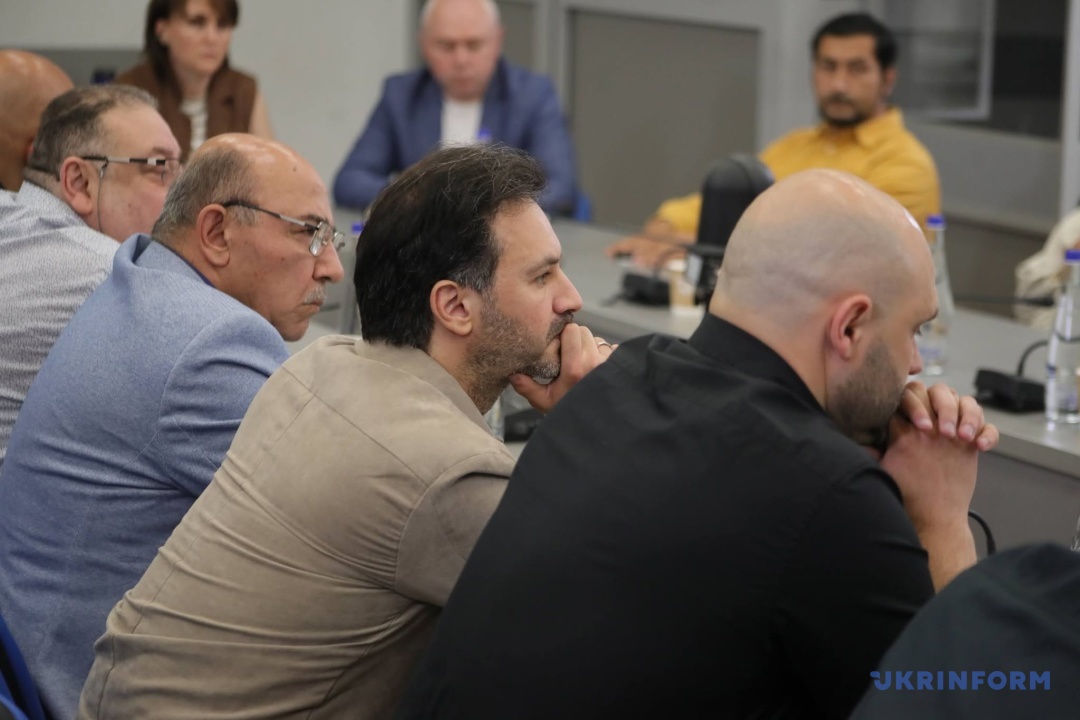
When discussing the information dimension of Ukraine’s engagement with the Middle East, participants repeatedly pointed to the vast resources Russia devotes to promoting its narratives across the region.
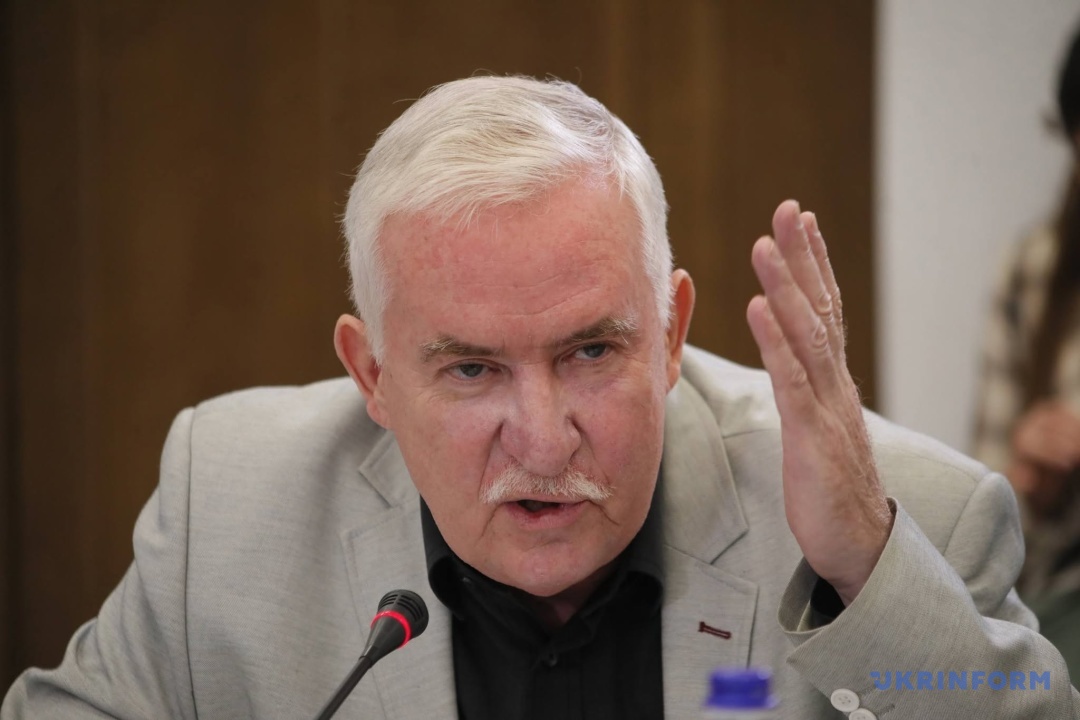
Yet, according to Oleksandr Bohomolov, Director of the National Institute for Strategic Studies, the often-cited figure of $2 billion invested by Russia in information warfare, while impressive, should not be viewed as a reason for resignation.
“The fact that Russia spends enormous resources does not mean we should throw up our hands and surrender,” he argued.
Instead, Bohomolov called for a more technical and systematic analysis of Russia’s methods in the sphere of cognitive warfare, both in the Middle East and beyond. Understanding how these influence operations function, he suggested, is a prerequisite for developing effective countermeasures and strengthening Ukraine’s own informational presence in strategically important regions.
“The Russians employ a variety of approaches. In some cases, we need to look for asymmetric responses, while in others we are fully capable of responding in kind. Some of the methods Russia has been testing for years have proven effective. So why shouldn’t we adapt and use them ourselves?” Bohomolov said.
In this context, he identified five key pillars of Russia’s influence operations in the Arab world:
cultivating networks of sympathetic journalists through educational and training programs;
building partnerships with universities and academic institutions;
cooperating with local media outlets to distribute Russian content;
developing its own Arabic-language media ecosystem; and
making extensive use of social media platforms, influencers, and bot networks.
According to Bohomolov, understanding these mechanisms is essential if Ukraine is to compete effectively in the information domain and strengthen its presence across the Arab world.
IVAN SEHEDA: REACHING AUDIENCES THROUGH THEIR OWN HISTORICAL EXPERIENCE
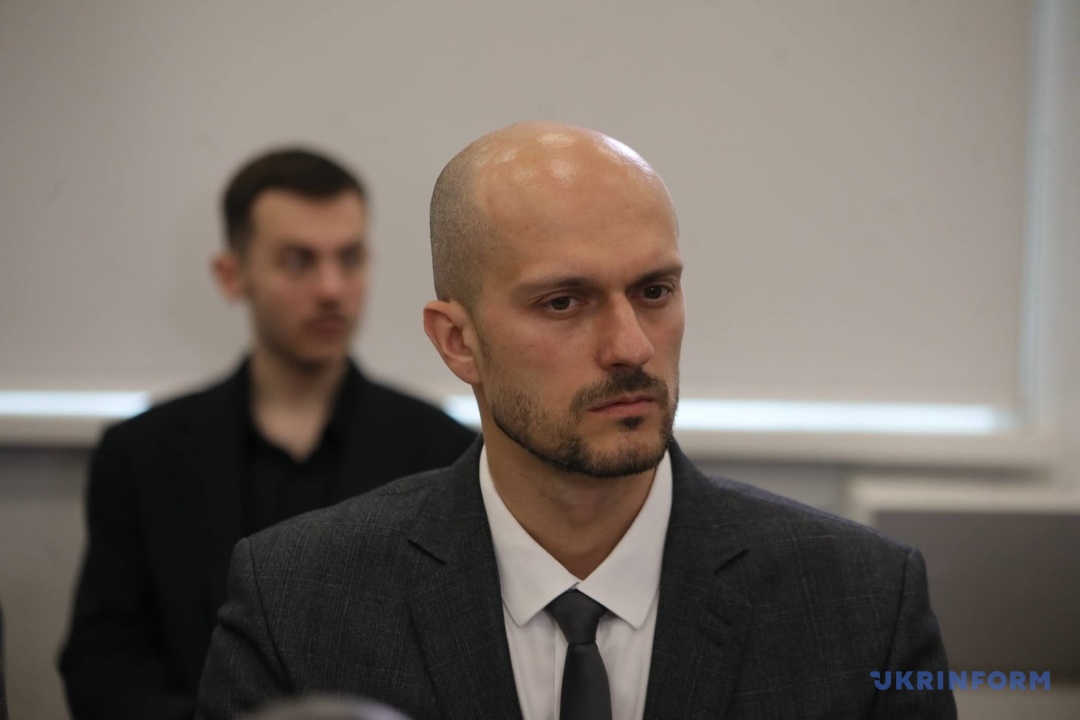
Ivan Seheda, First Secretary of the Middle East and North Africa Department at Ukraine’s Ministry of Foreign Affairs, highlighted another challenge facing Ukraine in its efforts to counter Russian disinformation in the region.
Drawing on his diplomatic experience in Arab countries, Seheda noted that local media often avoid covering sensitive foreign policy issues and armed conflicts, including Russia’s war against Ukraine. As a result, it can be difficult for Ukraine to communicate its position through traditional media channels.
According to Seheda, diplomats engaging with regional media are sometimes explicitly requested not to mention Russia at all. This reality requires Ukraine to adopt more creative communication strategies and tailor its messaging to the historical experiences and sensitivities of individual countries.
Rather than relying solely on direct references to the Russian-Ukrainian war, he argued, Ukraine must find ways to explain its struggle through narratives that resonate with local audiences and reflect their own historical memory.
“For Kuwait, where I served, the obvious point of reference is the country's liberation from Iraqi occupation, when the international community stood with Kuwait against a war of aggression. Today, we are likewise rallying our partners around us because we, too, are fighting for our independence and freedom. The same logic resonates in Algeria, whose people fought their own war of independence. Every country has its own historical experience, and it is possible to find a path to its heart by explaining Ukraine’s struggle through the lens of that experience,” Seheda said.
His remarks underscored a broader lesson for Ukraine’s public diplomacy efforts in the Arab world: effective communication requires more than simply repeating Ukrainian talking points. It demands an understanding of local historical memory, national experiences, and political sensitivities. Only by connecting Ukraine’s story to narratives that resonate within individual societies can Kyiv hope to build lasting understanding and support.
UKRINFORM’S ARABIC-LANGUAGE LAUNCH IMMEDIATELY DREW THE ATTENTION OF RUSSIAN BOT NETWORKS
According to Deputy Foreign Minister Oleksandr Mishchenko, Russia will continue to rely on disinformation as a core element of Russia's information influence campaign. One of the Kremlin’s primary objectives, he argued, is to weaken international support for Ukraine by driving wedges between Kyiv and its partners.
“We can see this even in our relations with Poland—one of our closest friends, partners, and neighbors. Now imagine countries where Ukraine’s presence is far more limited, particularly in the Arab world. This means we must work harder to close that gap and deny our adversary any opportunity to replace the voice of truth with falsehoods,” Mishchenko said.
His comments highlighted the strategic importance of strengthening Ukraine’s informational presence in regions where Russian narratives often enjoy greater visibility and where Ukrainian perspectives remain comparatively underrepresented.
The notion that “the enemy never sleeps” was reinforced by Ukrinform’s own experience following the launch of its Arabic-language platform. The Arabic edition became the agency’s eighth language service, complementing its Ukrainian, English, German, Spanish, French, Japanese, and Polish-language offerings.
In 2025, Ukrinform’s foreign-language platforms attracted nearly 65 million page views. The addition of an Arabic-language service is expected to significantly expand that audience while strengthening Ukraine’s presence in one of the world’s most influential information spaces.
The launch also revealed how closely Russian disinformation networks monitor Ukrainian initiatives abroad.
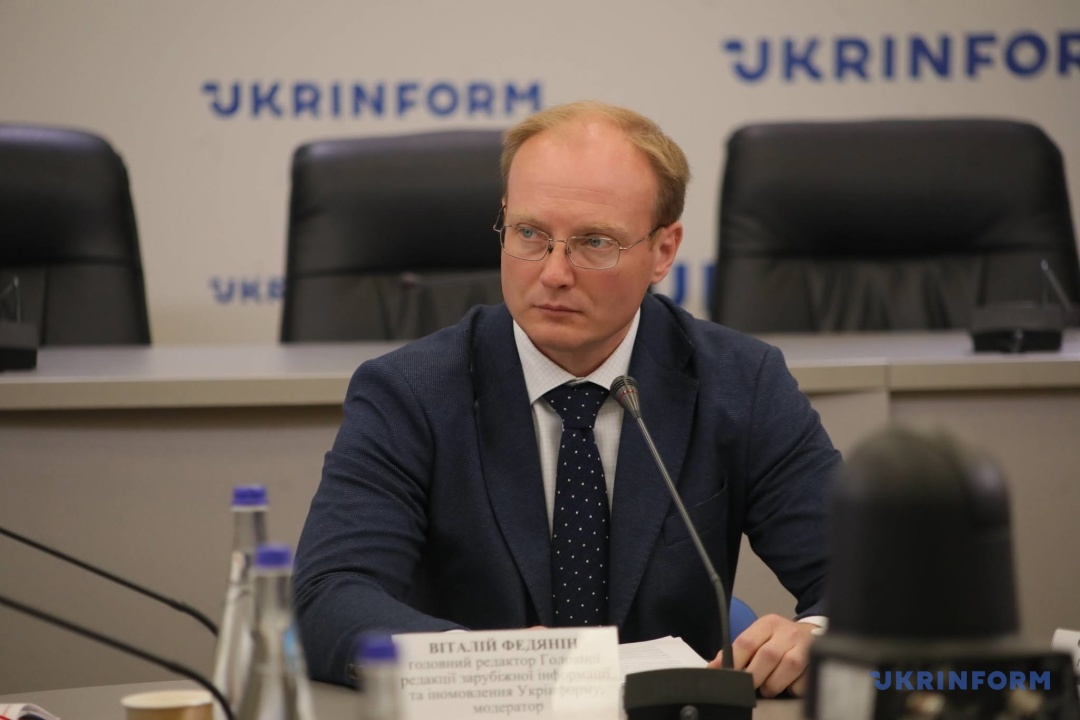
Vitalii Fedianin, Editor-in-Chief of Ukrinform’s Foreign News and Foreign-Language Broadcasting Division, recalled that the agency’s Arabic-language service, launched in test mode on April 14, immediately attracted the attention of Russian bot networks.
According to Fedianin, one of the first coordinated bot attacks followed the publication of a report covering a visit by more than 70 foreign diplomats to the site of a Russian strike in Kyiv’s Lukianivka district. A second wave of coordinated activity emerged after Ukrinform reported on a successful operation by Ukraine’s Unmanned Systems Forces against the Taganrog-Yuzhny military airfield, where two Tu-142 aircraft were reportedly destroyed.
Reflecting on the process of building the Arabic-language platform, Fedianin said that one word repeatedly surfaced in conversations with colleagues specializing in the Arab media environment: heart.
“As an Arab proverb says, ‘A word that touches the heart is like an inscription carved in stone.’ That perfectly captures the essence of information diplomacy. Our task is not merely to communicate facts and figures, but to build trust, to be heard, and to be understood. Ukrinform must become a voice that people trust,” he said.
His remarks echoed a central theme that emerged throughout the roundtable discussion: success in the Arab information space depends on more than factual accuracy alone. Effective communication requires cultural sensitivity, emotional resonance, and long-term credibility. In a region where trust often matters as much as information itself, building lasting relationships with audiences may prove just as important as countering disinformation.
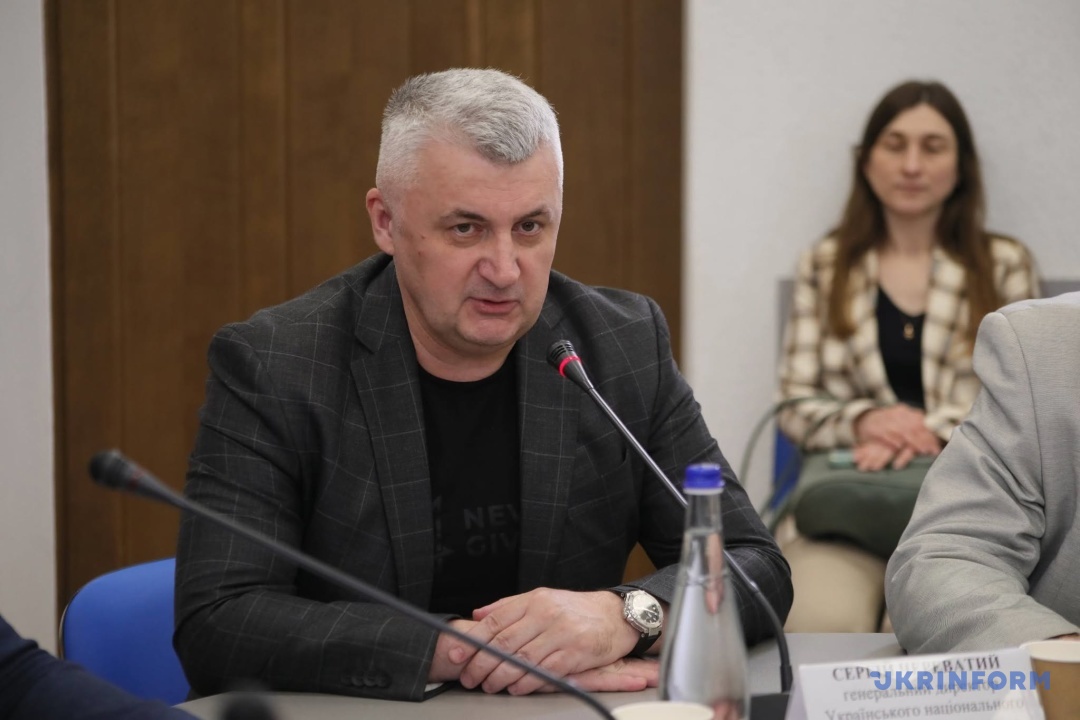
In his closing remarks, Serhii Cherevatyi, Director General of Ukrinform, called on diplomats, scholars, analysts, and other experts to continue strengthening cooperation with the agency through established platforms such as roundtable discussions, press conferences, and opinion pieces, while also exploring new formats of engagement and involving partners from the Arab world more actively in these efforts.
Cherevatyi emphasized that building meaningful ties with the region requires sustained dialogue, fresh ideas, and broad professional cooperation across diplomatic, academic, media, and security communities.
“I hope we will succeed, because we have no other choice. We must stand firm, continue the fight, work together, and ultimately prevail,” he concluded.
His remarks encapsulated the central message of the discussion: Ukraine’s engagement with the Arab world is no longer a peripheral dimension of foreign policy but an increasingly important strategic priority. Strengthening political, economic, security, and informational ties with the region will require long-term commitment, institutional presence, and the coordinated efforts of diplomats, analysts, military experts, media professionals, and information security specialists alike.
Nadiia Yurchenko, Kyiv
Photos by Yuliia Ovsiannikova