Ukrainian startups to present new unmanned systems solutions for military
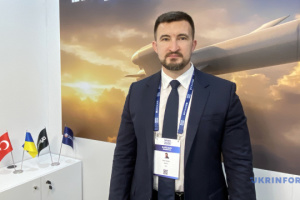
This was announced in an interview with Ukrinform by the company's CEO, Liné Rindvig.
Among the participants is Trident Group, which is addressing the vulnerability caused by navigation loss.
“The system uses computer vision and guidance algorithms that allow the aircraft to complete its mission even when communication with the operator is limited or entirely unavailable,” Rindvig explained.
Another company, Frost Works, has developed a UAV detection system that combines acoustic and radar sensors operating in coordination. The system enables detection of low-altitude aerial threats, including Shahed-type drones flying close to terrain contours.
The Fremen team, meanwhile, has developed an onboard module designed to protect expensive reconnaissance drones from interceptor drones. Weighing just one kilogram, the module detects approaching threats and actively assists in neutralizing them.
WingTech develops and manufactures fixed-wing UAVs for strike and logistics missions at medium ranges. Its aircraft can deliver highly precise strikes over long distances even in GPS-denied environments and under hostile electronic warfare conditions.
“This type of drone is currently in high demand among Ukraine’s Security and Defense Forces for disrupting enemy logistics routes,” Rindvig emphasized.
She noted that FPV drones currently account for 70–80% of battlefield casualties. Traditional electronic warfare systems are becoming less effective as technologies such as frequency-hopping communications, fiber-optic control, autonomous waypoint navigation, and AI-guided targeting reduce their impact.
The NEBOSTRAZH system seeks to address this challenge through automation. The developers have created an autonomous AI-powered counter-drone defense system that combines the SM-1 mobile multi-sensor turret with an FPV interceptor drone, both managed by a unified artificial intelligence platform for target detection and engagement.
Another major challenge comes from Shahed drones approaching Ukraine over the sea. The BlueShadow team focuses specifically on countering this threat. Its solutions autonomously detect, track, and intercept attack drones before they reach the coastline.
The Telearmy team is developing remote-control technology for combat vehicles, allowing existing military equipment to be converted into unmanned platforms.
“Instead of waiting years for next-generation systems, Telearmy upgrades equipment already in service, effectively transforming almost any vehicle into an unmanned platform,” the CEO noted.
Rindvig added that the past year has been marked by rapid growth in the development of unmanned ground vehicles. Tasks such as delivering ammunition or evacuating wounded personnel can sometimes be more difficult than carrying out combat operations themselves.
Taurex is one engineering response to this challenge. Its articulated-frame design allows the vehicle to traverse terrain where conventional vehicles lose traction or overturn. The unmanned ground platform can carry more than 300 kilograms and has an operational range exceeding 80 kilometers on a single charge.
Since its launch, the accelerator has supported 15 companies. The nine startups mentioned above form its third cohort. The program’s goal is to connect young companies and startups with military experts, creating a feedback loop that helps refine technologies urgently needed by Ukraine’s defenders.
As reported, Ukraine is marking the Day of Unmanned Systems Forces for the first time on June 11.